
Best Live Dealer Casinos Online Australia 2026: The Legal Reality Behind the Search
Current as of 29 October 2026 and verified against the Australian Communications and Media Authority (ACMA) register of formal warnings and blocking actions.
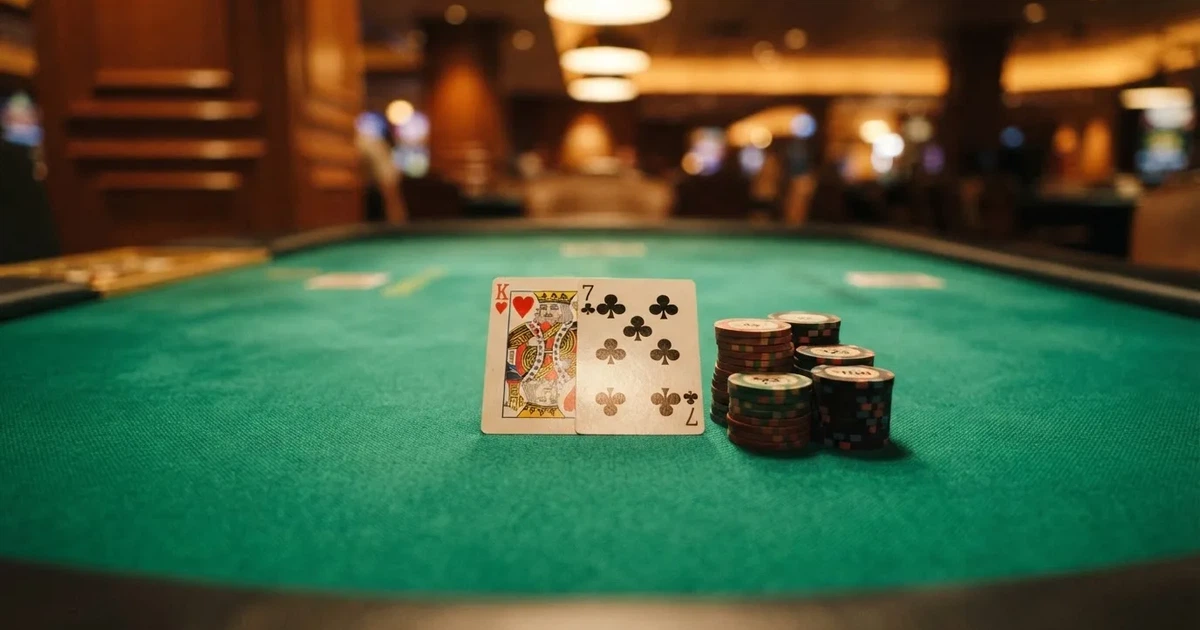
The phrase “live dealer casino Australia” returns a wall of marketing sites that all promise the same thing: real cards, real croupiers, real money. They are written as if there were a choice to be made between them. There is not — not in Australia. Under the Interactive Gambling Act 2001, offering an interactive casino-style gambling service to a person physically in Australia is a prohibited interactive gambling service, and no state or territory issues the licence that would make any of those sites legal here. The site’s home jurisdiction can be Curacao, Malta or anywhere else offshore; the player’s location is what the law reads. Anyone typing this query from an Australian IP address is being shown a product that is, in plain statutory terms, illegal to sell to them. The rest of this page is about what that gap actually costs a punter, and what sits on the lawful side of it.
Table of Contents
- Why the Australian market looks the way it does
- What a live dealer casino actually is — the mechanics
- The legal frame — what is licensed and what is not
- Responsible gambling — what does and doesn’t apply here
- Cryptocurrency and the offshore live dealer lobby
- Bonuses on live dealer lobbies — what the marketing words cost
- Live dealer catalogue — what’s actually on the floor
- The brands on the ACMA record — what the warning list actually says
- What does sit on the lawful side of the IGA
- What to read in the small print before any decision
- Frequently asked questions
Why the Australian market looks the way it does
The block sits at the provider, not the player
Australia regulates this market by going after the supplier end. The Interactive Gambling Act 2001 (IGA), tightened by the Interactive Gambling Amendment Act 2017, names the offence clearly: providing online casino games — blackjack, roulette, baccarat and the rest — to a person in Australia. The individual player is not the target. Prosecutions and formal warnings run at the operator, the platform and the affiliate network that funnels traffic to it. That distinction matters to the reader because most offshore sites pitch safety by leaning on a Curacao or Anjouan licence number printed at the foot of the page. The licence is real; it simply does not authorise the service being sold to this person, in this place. The ACMA’s enforcement record over the past four years is a list of how that gap is closed in practice.

Two recent statements of that gap. In June 2026 the ACMA reported its blocking-request total since November 2019 had reached 1,751 illegal gambling and affiliate marketing websites, with more than 230 unlicensed gambling services having left the Australian market since enforcement was strengthened in 2017. The same month, the regulator asked Australian internet service providers to block a further twelve names in one round: 7Signs, ChromaBet, Donbet, Duospin, Freshbet, Slots Gem, Jacks Club, Lucky Start, Pointsbetz.com, Spinrise, Vinyl Casino and Wildsino. A reader trying to open any of those from a Telstra, Optus or TPG address now hits a clean page saying the site has been blocked by order of the ACMA. The balance the reader may have sitting in an account on the other side of that block is the price of the gap.
What the ACMA’s enforcement actually looks like
Formal warning is the lightest formal step — a written notice that names the operator, the brand and the breach. Internet-site blocking requests are the heavier tool — they go from the ACMA to the ISPs and turn the warning into an order. Civil penalty proceedings and infringement notices sit above both. The pattern over the past four years has been a steady churn through the brands rather than a sweep of them all at once, which is part of why a search keeps finding new names that look unfamiliar: the ACMA works through operator entities, and the same owner often has a string of front brands that resurface after a warning.
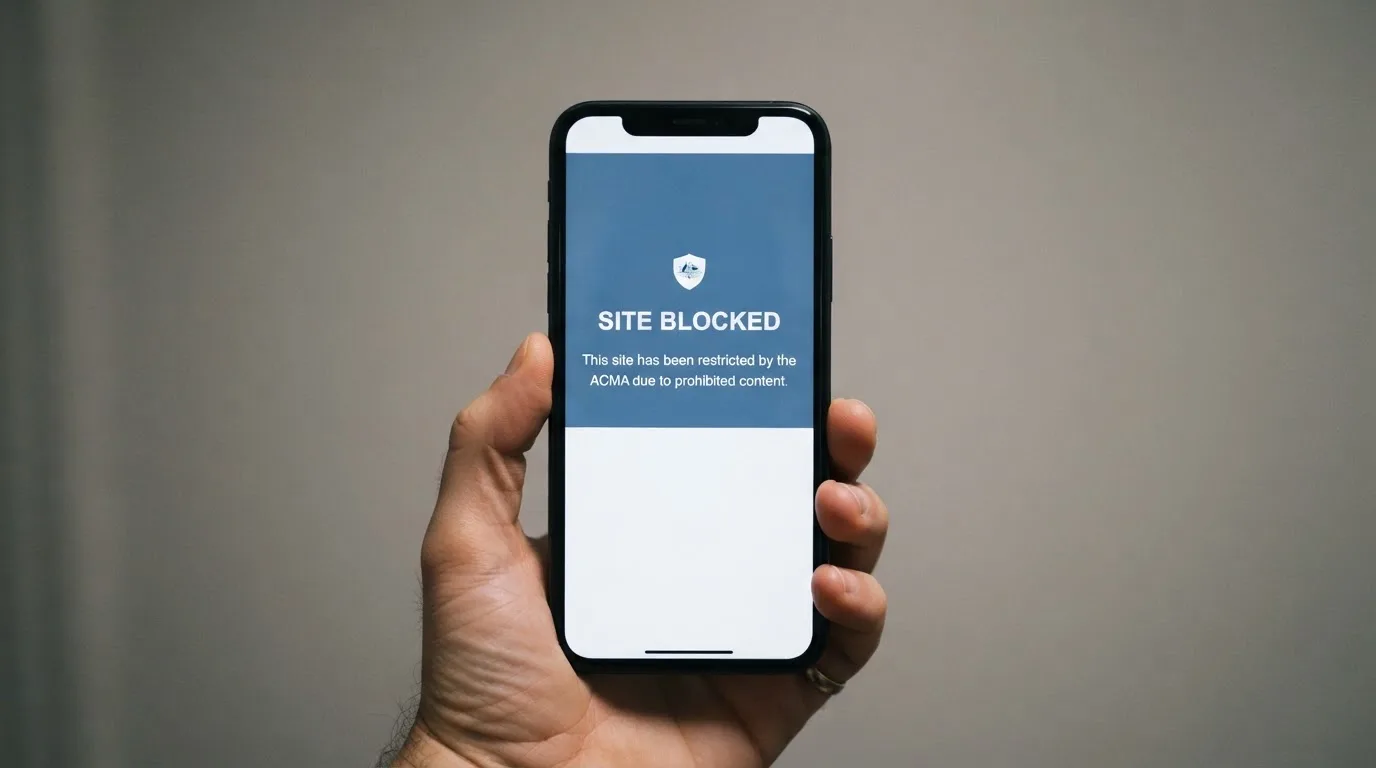
What this page can fairly do, and what it cannot. The brands named below are not reviewed as products, because no responsible editor can tell an Australian reader where to play an activity the law says cannot be offered to them. They are listed because the ACMA itself put them on the record. The fact that the regulator has formally warned an operator over a brand is the page’s reason for naming it; nothing further follows from it.
What a live dealer casino actually is — the mechanics
Live streams from studios and the technology behind them
Live dealer games are not animated simulations with a deck-of-cards graphic. The croupier is a person, the cards or the wheel are physical, and a set of cameras streams the table to the player’s screen in real time. Optical camera recognition (OCR) technology converts the dealer’s actions into the data the software needs to settle bets — a card read, a roulette pocket, the spin result. The player watches the deal; the software, working off the same footage, settles the wager. The illusion of being at the table is largely that, because the player has no audio channel back to the dealer in standard formats and no way to slow the shoe down, but the result is the result of a physical draw, which is what the format sells.
The studio end of this market is concentrated. Evolution, founded in 2006 by Jens von Bahr and Fredrik Österberg, reached 100 live tables at its Riga studios in 2013 — at the time the largest single-site casino operation in Europe — and added a Malta studio in 2014. The Evolution Group now also owns NetEnt (acquired 1 December 2020), Red Tiger, Big Time Gaming, Nolimit City and Ezugi. According to Evolution’s own current count, more than 700 gambling platforms worldwide stream its live tables. When a player opens a live lobby at any of the offshore brands named below, the supplier stack looks largely similar because the studios are largely the same.
The three games that carry the format
Baccarat, blackjack and roulette are the three games that anchor the live format. They share a structural feature that makes them camera-friendly: a single decision per hand, a clean visual outcome, a fixed set of bets. Side bets and variants layer on top, but the floor of the lobby is these three.
Baccarat. The house edge in baccarat is 1.06% on the Banker bet, 1.24% on the Player bet and 14.36% on the Tie — the Tie is the bet to avoid, and the published edge on it is honest about how punishing that line is. Punto banco, the variant almost universal online, was developed in Havana in the 1940s; the casino banks the game at all times and both hands play out by fixed drawing rules, with cards 2-9 at face value, 10/J/Q/K at zero and the ace as one, totals taken modulo 10 from a six- or eight-deck shoe. The “Tie” bet is the bright exception to a tight house edge; everything else is a grind.
Blackjack. With optimal play under a generous ruleset (dealer stands on soft 17, double on any two, double after split, resplit aces, late surrender), blackjack’s house edge runs about 0.28% on the Las Vegas Strip ruleset and about 0.43% on Atlantic City rules. That figure is for a player playing a flawless basic strategy. The published side bets — Perfect Pairs / Crown Pairs at Crown Melbourne, the Pot of Gold free-bet variant approved in March 2024 — sit at considerably worse edges. The 0.28% is what a blackjack basic strategy can theoretically grind; what most people actually lose at is several times that, because most people do not play basic strategy and the game punishes mistakes hard.
Roulette. Single-zero roulette runs about 2.7% house edge on the outside bets; double-zero (the American wheel) runs 5.26%. The single-zero European wheel is the standard online. Live roulette variants include lightning multipliers and immersive multi-camera formats that change the look, not the underlying edge.
How an Australian player reaches a table today
The seam the page is sitting on. The data above describes a product. The legal frame says the product cannot lawfully be sold to a person in Australia. What that gap looks like to a reader with a real question is the rest of this page.
A reader who wants to play a live dealer game has, in practice, three routes. None of them closes the legal gap; the difference is who carries the risk.
Route one is the offshore brand. Open an account, deposit in a currency the site accepts (credit card and crypto are usually there), and play. The brand is operated by an entity the ACMA may have already formally warned — the list later on this page names eleven. The balance and the gameplay work; if the brand decides to slow a withdrawal or close the account on a bonus dispute, the reader has no Australian complaints body to take it to and no Australian regulator to escalate to. A blocking request can land with a balance still in the account. This is the route the marketing sites assume the reader is on.
Route two is the licensed Australian wagering service. Sportsbet, Bet365 and Ladbrokes are licensed by the Northern Territory Racing and Wagering Commission (NTRWC) for tax reasons — the NTRWC’s regulator office has no full-time staff and meets once a month in Darwin — and they offer sports and racing wagering, not live casino tables. Their casino-style products, where they exist, are limited to virtual sports and the like, which fall outside the prohibited category. A reader who wants a single platform that holds their sports wagering and a few instant-win products will find that product exists; a reader who wants a real live croupier will not.
Route three is the licensed Australian venue. Crown Melbourne runs approved baccarat and blackjack tables — Traditional Baccarat, Crown Baccarat and 2 to 1 Baccarat, plus the blackjack variants — regulated by the Victorian Gambling and Casino Control Commission (VGCCC), which took over from the VCGLR on 1 July 2022. The Crown Sydney casino and the licensed clubs and pubs in each state run similar product. The NSW Casino Control Act 1992 and Victoria’s Casino Control Act 1991 require the local regulator to approve each game’s rules before it goes live and to keep the approved rules on file. The edge is the same edge that runs in Monte Carlo or Macau; the venue is licensed; the player is on the lawful side of the IGA. The catch is that the venue is in the room.
The legal frame — what is licensed and what is not
| Activity | Status | Regulator |
|---|---|---|
| Pre-event sports/race betting | Licensed | NTRWC |
| Lotteries and Keno | Licensed | State/Territory |
| Online Casino / Pokies | Prohibited | ACMA enforcement |
Wagering on races and sport: licensed
Licensed wagering sits in a different statutory box from online casino. The NTRWC authorises online bookmakers — 52 of them, including the three named above — for wagering on racing and sporting events placed before the event. That covers the bulk of the licensed product Australians can actually play online, and it is regulated through the Australian Transaction Reports and Analysis Centre (AUSTRAC) for AML purposes, through the NTRWC for licensing, and through ACMA for advertising. In-play betting online is a separate prohibition; the licensed product is pre-event.
Lotteries and keno: licensed
Lotteries and keno fall to the states and territories, and their operator licences sit locally. They are a different product with a different consumer-protection regime, but they sit on the lawful side of the line and are part of what an Australian player can play from home.
Online casino games: prohibited
The line the page is built around. The IGA names the prohibited interactive gambling services explicitly: online casino games, online pokies, in-play online betting. The ACMA publishes an “About the Interactive Gambling Act” guidance page in plain English making the same point. A site offering online blackjack, online roulette, online baccarat or any similar service to a person physically in Australia is offering a prohibited service regardless of where it or its servers sit. The licence on the footer is real; it does not authorise this.
Payments: what’s banned on the licensed side
Since 11 June 2024, credit cards, credit-related products and digital currency are banned as payment instruments for licensed online wagering in Australia. Penalties for an operator accepting them reach $247,550. The point of the ban is to break the loop that lets a punter fund losses from a credit line. A licensed bookmaker will not ask for a Visa or a Bitcoin deposit; an offshore casino will. The two accepting methods tell the reader which side of the line a site sits on before anything else does.
Legal deposit routes on the licensed wagering side are debit card, bank transfer, PayID/Osko and BPAY. PayID and Osko are the real-time payment rails on the New Payments Platform; BPAY is the bill-payment scheme that runs through Australian bank accounts. Neither requires a credit line.
Advertising reform: the 2026 bill
The Interactive Gambling Amendment (Gambling Reform) Bill 2026 passed Parliament on 19 August 2026. Its advertising and inducement measures commence on 1 January 2027. The reform is law with a start date, not yet in force on a 2026 page; the regulatory shape of the next twelve months is set by the existing IGA, the existing ACMA enforcement record, and the existing payment ban.
Responsible gambling — what does and doesn’t apply here
BetStop: the National Self-Exclusion Register
BetStop is the National Self-Exclusion Register, live since August 2023. It binds every Australian-licensed online and phone wagering service — the bookmakers, the lotteries, the keno providers — to honour an individual’s exclusion request. The mechanism is a database the licensed operators check at sign-up and on a rolling basis, and a punter who has put themselves on the list cannot open new accounts with any of the participating operators during the exclusion period (the minimum is three months, up to a permanent exclusion).
Crucially, BetStop does not bind offshore casinos. A punter on BetStop can still register and play at the sites named later on this page. That gap is significant, as it means the strongest self-exclusion tool the country has does not reach the product most of the search traffic for this site is asking about.
The national helpline and online chat
The National Gambling Helpline is 1800 858 858 — free from any Australian phone, 24 hours a day, seven days a week. The text-based service runs through Gambling Help Online, with web chat and email. Counselling is free, confidential, and not tied to whether the punter is on the licensed side of the market or the offshore one. The professional help for a gambling problem in Australia does not check whether the player’s preferred platform is lawful.
Limits, deposit ceilings and monitoring on the offshore side
Offshore casinos set their own deposit ceilings and their own self-exclusion tools. There is no Australian statutory default, because there is no Australian statutory regime covering them; the sites set terms that suit their own risk and their own compliance load. A punitive max-cashout cap on a bonus exists for the operator’s protection, not the punter’s. The audit of the sites on the other side is light compared with the licensed wagering side, and that is by design of the regulatory frame, not an oversight.
The geo the player is sitting in
The responsible-gambling tools and consumer protections described in this section all run off the Australian licensed market. The player sitting at an offshore brand has access to the helpline and to Gambling Help Online; everything else on this list — BetStop, the ACMA complaint channel for licensed operators, the deposit-ban enforcement — operates at the licensed side only.
Cryptocurrency and the offshore live dealer lobby
Why crypto keeps coming up in this search
The shape of the product at the offshore end has tilted toward crypto. Bitcoin, Ethereum and a handful of stablecoins are accepted at the majority of the brands named in the ACMA register, and several of them publish deposit addresses that let a player bypass the card rails entirely. The reason is straightforward: a card deposit is traceable, slow to chargeback and easy to block from an Australian bank, while a Bitcoin deposit to an address is none of those things.
The licensed wagering side does the opposite. Credit, credit-related products and digital currency are all banned as a deposit route for licensed online wagering since 11 June 2024. An Australian licensed bookmaker will not accept a Bitcoin deposit; an offshore casino will.
What a crypto deposit on the offshore side looks like in practice
The mechanics are familiar from any other crypto payment. The player sends the asset to the address the casino publishes, the casino credits the balance after the required number of confirmations on the relevant chain, and the player plays. Withdrawals run in reverse, sometimes with a manual review step on the casino side. The “no identity check” pitch that some crypto-first brands lean on is real in one sense: the deposit flow does not require a payment instrument tied to a name. The player still has to register an account, withdraw to a wallet, and trust the site to honour a withdrawal — which is the same trust they would extend to the same site on a card deposit. Crypto does not solve the offshore-no-recourse problem; it merely changes the rail.
The legality question for an Australian funding crypto
An Australian funding an offshore casino with crypto is not committing an offence under the IGA — the offence sits with the provider. What they are doing is paying into an account at an entity the ACMA has put on a warning or blocking list, in a market where the consumer protections run elsewhere, and where the site may be ordered blocked by their ISP at any time. The geo the wallet sits in does not change the geo the player sits in.
Bonuses on live dealer lobbies — what the marketing words cost
The structure of a live casino welcome package
The marketing line on a live dealer casino welcome bonus runs a familiar set: a deposit match, free chips, free spins, cashback on the first session, sometimes a tiered package across the first three deposits. The number on the page is the upside; the wagering requirement, the max-cashout cap and the game-weighting rule are the cost. Across the offshore market that the ACMA’s actions cover, the patterns that recur are: a deposit match with a 40x to 50x turnover on the bonus, free chips that play through the same requirement, and a max-cashout ceiling expressed as a multiple of the bonus rather than the deposit. Some packages split between a casino bonus and a sports bonus, with the casino bonus playing at a heavier wagering rate than the headline suggests.
What this page does not publish is any one operator’s specific bonus or promo code, and the reason is the page’s underlying premise: there is no operator on this list that the page can recommend an Australian reader to claim an offer at. The structure is on the page because a reader who navigates the legal gap needs to know what the offer looks like once they have.
Turnover math, in plain prose
A package that grants, say, a $200 bonus with 40x turnover requires $8,000 of qualifying wagers before any of the bonus balance turns into withdrawable cash. If the player wagers at $1 per spin on a single-zero roulette table (the standard online format), that is 8,000 spins. At the table’s house edge of 2.7%, the expected loss over those 8,000 spins is $216 — already larger than the bonus on its own. Bonuses are paid back by the house edge they generate on the wagering requirement, not by anything the player wins. The “free” in the marketing line is a description of the bonus credit, not of the cost.
A reader who has decided to play anyway owes it to themselves to read the wagering multiple, the max-cashout cap and the game-weighting table before claiming. The T&Cs are where the cost lives.
Live dealer catalogue — what’s actually on the floor
Game providers that carry a live dealer lobby
The major live casino providers are a small set with a long tail of skins and resellers. Evolution — the dominant supplier — runs the largest live casino operation; Pragmatic Play Live carries a competing catalogue with a strong game-show presence; Playtech, Authentic Gaming, Vivo Gaming and a handful of smaller studios fill the rest. A punter’s experience of the catalogue at any of these brands is largely an experience of which of these providers the brand has a content deal with.
Game types beyond the three pillars
Beyond the baccarat-blackjack-roulette floor, the live lobbies include game-show formats — Dream Catcher-style money wheels, Monopoly Live, Lightning Dice, Crazy Time — and casino-poker variants: Casino Hold’em, Three Card Poker, Caribbean Stud. Side bets like Perfect Pairs (or Crown Pairs, the renamed version Crown Melbourne adopted late 2024) live on the blackjack tables, with their own house edges that are notably worse than the main game. Most live dealer lobbies surface a “Live” tab and a “Game Shows” tab; the side bets and the high-edge variants are in the same lobby and worth being able to recognise.
Live dealer on mobile
A live dealer lobby runs in a browser or in an app with comparable functionality. The streams are heavier than slots — a real-time video pipeline at table-camera resolution — and a poor connection drops the session to a degraded mode or ends it. The data usage is real: a one-hour live blackjack session at standard resolution runs a few hundred megabytes, which is meaningful on a metered connection. The mobile experience is functional and well-supported, but the cost is not zero in data terms and a reader on a limited plan should know it.
The brands on the ACMA record — what the warning list actually says
This section provides a clear answer to the question a reader typing this query is asking: who is offering this product to me, and what has the regulator done about that offer. The product at each of the brands below is prohibited for Australian players; the ACMA’s formal warning over the brand is the reason for naming it. None of the entries reviews the brand as a product to use. None of them names a bonus. None of them attaches a recommendation.
| Brand | ACMA action and date | Operator named by the ACMA | Subject support |
|---|---|---|---|
| RocketPlay | Formal warning, March 2026 (Pulsup Ltd over Rocketplay.com.au); earlier warning to Dama N.V., May 2022 | Pulsup Ltd; Dama N.V. | — |
| Level Up Casino | Formal warning, May 2022 | Dama N.V. | listings-only (Bgaming.com) |
| Woo Casino | Formal warning, March 2025 | Dama N.V. | — |
| Spirit Casino | Formal warning, May 2025 | Dama N.V. | — |
| National Casino | Formal warning, July 2025 | Consolutetish S.R.L. | listings-only (en.wikipedia.org) |
| Bizzo Casino | Formal warning, July 2025 (Consolutetish S.R.L.); earlier warning to TechSolutions, 2022 | Consolutetish S.R.L.; TechSolutions (CY) Group Limited; TechSolutions Group N.V. | — |
| Ignition Casino | Formal warning, July 2025 | Bamboo Media | — |
| Instant Casino | Formal warning, February 2025 | EOD Code SRL | — |
| Jackbit | Formal warning, April 2026 | Ryker B.V. | — |
| Casino Intense | Formal warning, April 2025 | Sterplay Holding Ltd | — |
| Sky Crown | Formal warning as published by the ACMA, September 2022 | Hollycorn N.V. | — |
The table reads as eleven rows of the same fact repeated, and that is the point of it. The same offshore operator entities — Dama N.V. sits behind three of the brands, Consolutetish S.R.L. sits behind two — appear over and over again with different front names. A formal warning on one does not stop the next brand re-skin, which is part of why the ACMA’s strategy is blocking requests at the ISP level rather than relying on warnings alone.
RocketPlay
ACMA formal warning to Pulsup Ltd over Rocketplay.com.au, March 2026, with a prior warning to Dama N.V. over the same brand in May 2022. The brand has cycled through operator entities on the ACMA record and now sits with Pulsup Ltd as the named Australian-facing operator. Online casino games cannot be licensed in Australia, regardless of what the site’s footer claims. The page’s verdict on RocketPlay is the page’s verdict on every entry here: a brand on the ACMA’s formal warning list is not a brand the page can recommend a reader claim an offer from, and the page does not.
Level Up Casino
ACMA formal warning to Dama N.V., May 2022. Dama N.V. is one of the higher-frequency names on the ACMA record; the brand has appeared on the regulator’s watchlist across multiple entities. The catalogue of games is described on a third-party listings site but the underlying brand sits on the ACMA’s warning register, which is the operative fact for an Australian reader.
Woo Casino
ACMA formal warning to Dama N.V., March 2025. A 2025 action against Dama N.V., placed in the same year as Spirit Casino below. Same standing as every other entry here.
Spirit Casino
ACMA formal warning to Dama N.V., May 2025. The second 2025 action against Dama N.V. on this list, two months after the Woo Casino warning.
National Casino
ACMA formal warning to Consolutetish S.R.L., July 2025. Consolutetish S.R.L. is the second-most-frequent operator name on this table, behind Dama N.V. Two of the eleven brands sit with this operator. The brand appears on third-party listings sites and on Wikipedia, but the operative fact for an Australian reader is the ACMA action.
Bizzo Casino
ACMA formal warning to Consolutetish S.R.L., July 2025, with an earlier formal warning to TechSolutions (CY) Group Limited and TechSolutions Group N.V. in 2022. The 2022 warning has a day-and-month specificity in the ACMA record; the page names the year. Two operator entities, two warnings, same brand.
Ignition Casino
ACMA formal warning to Bamboo Media, July 2025. Bamboo Media sits behind Ignition Casino as the named Australian-facing operator on the ACMA action.
Instant Casino
ACMA formal warning to EOD Code SRL, February 2025. The first 2025 action in the table, predating the Woo Casino and Spirit Casino warnings later in the year.
Jackbit
ACMA formal warning to Ryker B.V., April 2026. A 2026 action on Ryker B.V. covering two brands in this table — Jackbit and CasinOK — under the same warning.
Casino Intense
ACMA formal warning to Sterplay Holding Ltd, April 2025. The brand carries third-party coverage on Abc.net.au and listings on the ACMA’s own page and Crown Melbourne’s site, but those references do not change the standing of the underlying brand under the IGA.
Sky Crown
ACMA formal warning to Hollycorn N.V. over Sky Crown and Blue Leo, as published by the ACMA in September 2022. Hollycorn N.V. is one of several Curacao-licensed operators on this list whose formal warning the ACMA published with two named brands in the same notice.
What the table does not say — the reason it stops there
A reader using this table to pick an operator has used it the wrong way. The table’s purpose is to show the shape of the regulator’s record, which is what it does. The path it closes is the path a reader came in on: the marketing shape of a “best live dealer casino” list, which presumes a choice on the lawful side of the IGA. There is no such choice. The next section sets out what does sit on the lawful side of the IGA, for a reader who came in with that premise and leaves with the page’s findings.
What does sit on the lawful side of the IGA
Licensed wagering with NTRWC-licensed bookmakers
Sportsbet, Bet365, Ladbrokes and 49 others are licensed by the Northern Territory Racing and Wagering Commission. Their product is pre-event wagering on races and sport; it is licensed; it is regulated for consumer protection; it is connected to BetStop; it is fundable through legal rails. The product does not include a live casino lobby and the player who wants one will not find it here. The licensed wagering market is what survives the IGA test, and it is the platform to use for the betting activity the IGA actually authorises.
Lotteries and keno
Lotteries and keno run under state and territory operator licences. Tatts, the Lott and the equivalent state bodies operate the licensed lotteries; Keno venues run keno. A punter who has been asking the wrong question of this page will find licensed lottery and keno products sit on the lawful side. They are not the live dealer product, but they are the home-format product.
Land-based casinos and licensed clubs
Crown Melbourne, Crown Sydney, Star Sydney (now under private operation following the Bell Inquiry-led reform process in NSW), the Brisbane casino under construction, Jupiters, the Treasury in Hobart and the licensed clubs and pubs across each state are the venues with approved table-game product. The VGCCC, the regulator that took over from the VCGLR on 1 July 2022, publishes a public log of the approved rules and the rule changes at Crown Melbourne — including the Crown Pairs renaming of December 2024 and the Pot of Gold free-bet variant of March 2024. The 0.28% blackjack basic-strategy edge runs at those tables; the 1.06% Banker edge at baccarat runs at those tables; the A$25 minimum bet varies by venue. The product is real, the venue is licensed, and the consumer protections around the wagering activity are Australian.
The arithmetic of the offshore market the ACMA blocks
The blocking rate the regulator has run since November 2019 is the core statistic for understanding the scale of enforcement. Across roughly 80 months from the first blocking request in November 2019 to the ACMA’s June 2026 statement of 1,751 cumulative blocks, the regulator has averaged roughly 22 websites added to the blocking list per month — a band that runs from a low of single-digit monthly counts in some periods to high-20s and 30+ in others, with several individual months in 2024 and 2025 cracking the rate into the high-teens on a one-off basis. The condition on the figure is that it covers both gambling sites and affiliate marketing websites, which is how the ACMA counts — every redirect, mirror, and affiliate-landing page the regulator has asked an ISP to drop. The figure is the regulator’s running total; the average is the pace at which the wall has been built. Where a reader sits behind that wall is what the offshore market cannot honestly promise.
What this arithmetic tells the reader
A reader who has decided to use the offshore product anyway has roughly two takeaways from the figure. First, the population of available offshore brands is reduced by ISP-level blocking on a continuing basis, which means the brand the reader opened yesterday may be the name on the next blocking round tomorrow. Second, the affiliate sites that drove the reader to the brand in the first place are subject to the same blocking regime, which is why the marketing search returns a different set of names every few weeks — the front brands churn; the operators behind them largely do not. The arithmetic behind the blocking rate tells the reader that the gap between the search and the lawful product is not stable and is not narrowing.
What to read in the small print before any decision
On the offshore side: terms, withdrawal, bonus
The terms of any account a reader opens at an offshore brand sit in that brand’s T&Cs and nowhere else. The wagering multiple, the max-cashout cap, the game-weighting table, the restricted-country list, the bonus-abuse rule and the KYC document requirement are set by the brand. A withdrawal refusal can sit on a bonus dispute, on a T&Cs reading the brand controls, on a payment-rail match, or on a regulator action freezing the player’s balance while the brand processes it. Recourse from there is to the brand’s ADR service, which on a Curacao-licensed brand is typically the same regulator — there is no Australian escalation. A punitive max-cashout cap on the bonus that triggered the dispute can erase the upside on its own. The reader’s cost is in the small print; the reader’s protection is not in the small print.
On the licensed side: the consumer frame
A licensed Australian wagering service carries BetStop exclusion honour, AUSTRAC-monitored AML, NTRWC oversight for licensing and an ACMA advertising regime. The licensed wagering service cannot offer the live casino product the search is asking about; what it can offer, it offers inside a frame the regulator enforces. A player who has read this far and is sitting on the wrong side of the IGA’s prohibition has the licensed frame available for the wagering activity it does cover, and the helpline on 1800 858 858 for anything the frame does not cover.
The choice the page leaves behind
The page refuses the question it was handed. “Best live dealer casino online Australia” is a comparison the Australian regulatory environment does not honour: there are no licensed online casino products to compare within Australia, only the offshore offers the regulator has acted to block. The choice that does sit on the lawful side — licensed wagering with a Northern Territory licence, a state lottery ticket, a venue visit to a Crown property — is a different product category than the search was for. The search returns marketing copy because the marketing copy is what the products’ owners want to be found by; the answer the page gives is what the IGA leaves behind.
Frequently asked questions
How many live tables did Evolution operate from its Riga studios by 2013?
Evolution reached 100 live tables at its Riga studios in 2013, which at the time made it the largest single-site casino operation in Europe. The company was founded in 2006 and added a second major studio in Malta in 2014.
Does a live dealer casino accept cryptocurrency deposits?
Most offshore live dealer casinos do accept cryptocurrency deposits, and Bitcoin, Ethereum and stablecoins are the usual options. A licensed Australian wagering service cannot, by law, accept crypto as a deposit instrument under the rules in force from 11 June 2024.
Is it legal for a live dealer casino to accept Australian players?
No. Under the Interactive Gambling Act 2001, providing an interactive casino-style gambling service — including live blackjack, live roulette and live baccarat — to a person physically in Australia is a prohibited interactive gambling service. The site can hold any licence it likes from any other jurisdiction; the prohibition sits with the Australian player as the recipient of the offer.
What responsible-gambling tools should a live dealer casino site provide?
On the licensed Australian side, the responsible-gambling tools run through BetStop (the National Self-Exclusion Register, live since August 2023), deposit-limit enforcement at the licensed operator level, and access to the National Gambling Helpline on 1800 858 858. Offshore casinos are not bound by BetStop and set their own deposit ceilings and self-exclusion rules.
What is usually attached to a live dealer casino welcome bonus?
A live dealer casino welcome bonus typically carries a deposit match with a wagering multiple of 40x to 50x on the bonus, free chips that play through the same requirement, and a max-cashout ceiling expressed as a multiple of the bonus rather than the deposit. The T&Cs are where the cost of the offer sits; the page does not publish the bonus codes for any operator covered above because there is no operator on this list the page can recommend an Australian reader claim an offer from.
Can Australians find a shortlist of licensed live table games anywhere other than online?
Yes — at licensed Australian casinos and clubs. Crown Melbourne runs approved baccarat and blackjack tables under VGCCC oversight, Crown Sydney runs approved table product under Liquor & Gaming NSW, the Brisbane Queen’s Wharf casino will run approved table product under the Queensland regulator, and the licensed clubs and pubs in each state run gaming-machine and table product under their state regulator. The same house edge runs at those tables that runs at any other live dealer casino; what the licensed venue adds is the Australian regulatory frame.