
No Wagering Casino Bonuses in Australia
A “no wagering” bonus sits at the top of almost every offshore casino’s promotional page. Australians searching for one have hit it from every angle: no wagering casino, no wagering crypto casino, no deposit no wagering free spins. What each of those searches returns is a marketing promise dressed as a product. The promise is simple — keep what you win, no playthrough. The reality is layered. No state or territory licenses online casino games here, so every “no wagering” offer an Australian can actually claim sits on an offshore site the ACMA has either warned or blocked, under conditions the player has no Australian recourse to enforce. That is the gap this page lives in.

Latest data current as of 29 October 2026, verified against the ACMA’s published formal warnings and blocking notices.
Table of Contents
- No Wagering Casino Bonus Australia: Reviewing the Pitch
- What “No Wagering” Leaves Out
- Why Australians Cannot Get These Bonuses Locally
- The ACMA’s Running Tally
- What a Player Actually Gets — and Where the Math Goes
- Crypto and the “No KYC” Promise
- How Payments Shape the Offer
- Responsible Gambling — What Applies and What Doesn’t
- The Eleven Operators the ACMA Has Named
- Where the Reader Actually Lands
- Frequently Asked Questions
No Wagering Casino Bonus Australia: Reviewing the Pitch
A genuinely wager-free offer is one on which the casino does not require the player to re-wager the bonus amount a set number of times before withdrawing. Compared with the standard matched deposit — typically a 30x to 50x playthrough on the bonus — the marketing case is straightforward: anything you win is yours, no fine print in the way.

The fine print, of course, is where the offer actually lives. Three terms turn a “no wagering” headline into a smaller thing:
- Maximum cashout. A free-spins package advertised as wager-free may cap withdrawals from spin winnings at A$50 or A$100. Past the cap, the balance disappears.
- Game weighting. Some offers only stay wager-free on selected titles; switch to a higher-volatility pokie and the “no wagering” status quietly ends.
- Deposit gating. A handful of “no deposit, no wagering” free-spin offers do exist, but the most generous no-wagering matched deposits still require a real-money deposit first — which is what brings the bank block and the credit-card ban into the picture.
These are not edge cases. They are how the offer is constructed.
What “No Wagering” Leaves Out
The phrase answers one question and dodges three. A 50x-playthrough bonus turns a A$100 bonus into a A$5,000 turnover requirement before withdrawal. Removing that requirement is genuinely valuable — it does cut the time on the pokies and it does raise the chance of any winnings being real money. It does not, however, change the house edge. Every spin still pays out at the game’s RTP, which on a typical pokie sits between 95% and 97%. The “no wagering” tag is doing work on the multiplier, not on the math under it.
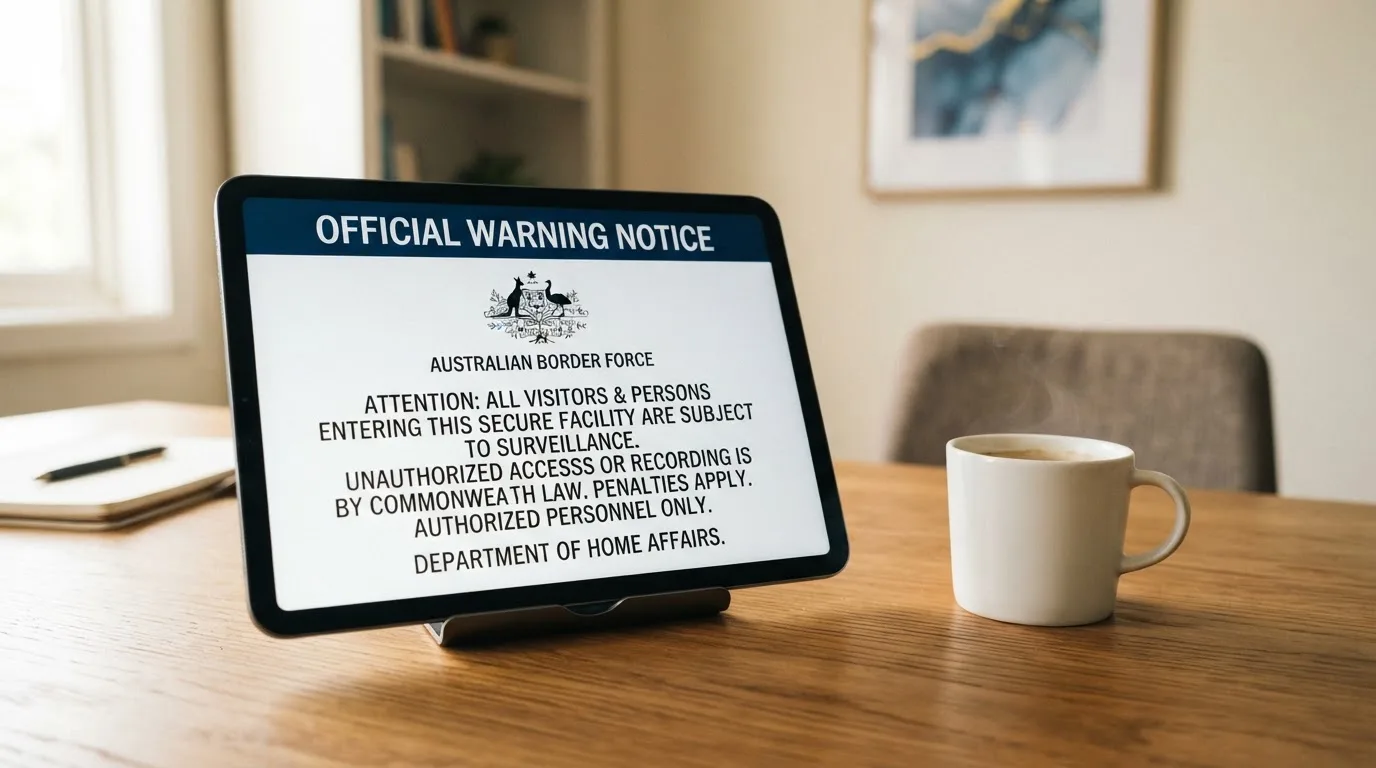
It also does not change the jurisdiction. An offshore casino licensed in Curaçao or Costa Rica will display a licence badge, list its regulator, and may even carry a responsible-gambling link. None of that licences the site to offer online casino games to a person in Australia. Under the Interactive Gambling Act 2001, that offering is a prohibited interactive gambling service — and the provider, not the player, is the one the IGA names.
Why Australians Cannot Get These Bonuses Locally
The shelf this page closes starts with what is, and is not, on offer in this country. Three layers sit on top of each other:
- Product. Online casino games and online pokies are not licensable anywhere in Australia. What is licensable is wagering on races and sport placed before the event, lotteries and keno. A no-wagering casino bonus, by definition, attaches to a casino product, which is not licensable.
- Provider. No Australian-licensed operator can run a no-wagering casino bonus because no Australian-licensed operator runs an online casino. Every “no wagering” bonus an Australian can claim sits offshore, on a site the ACMA has either formally warned or, in many cases, had ISPs block.
- Payment. Under amendments to the IGA that took effect on 11 June 2024, Australian-licensed wagering services cannot accept credit cards, credit-related products or digital currency. Legal deposit routes are debit card, bank transfer, PayID/Osko and BPAY. An offshore site asking for a credit card or a crypto deposit is operating outside those rules entirely.
The Northern Territory Racing and Wagering Commission (NTRWC) regulates 52 of Australia’s online bookmakers — Sportsbet, Bet365, Ladbrokes among them — but only because they hold Territory licences for tax reasons. The commission meets once a month in Darwin and has no full-time staff. The bookmaker space is what gets regulated here. The casino space does not.
The ACMA’s Running Tally
The Australian Communications and Media Authority has been the only consistent public counter on this market. Two figures from a June 2026 reporting round set the scale:
- 1,751 illegal gambling and affiliate marketing websites blocked since the first blocking request in November 2019.
- More than 230 unlicensed gambling services having left the Australian market since enforcement was strengthened in 2017.
That second number is not a tally of prosecutions. It is the count of providers who withdrew rather than face a blocking request. The first is the running total the ACMA hands to ISPs and asks them to enforce.
The latest published blocking round, reported on 26 June 2026, named twelve further sites: 7Signs, ChromaBet, Donbet, Duospin, Freshbet, Slots Gem, Jacks Club, Lucky Start, Pointsbetz.com, Spinrise, Vinyl Casino and Wildsino. The pattern is consistent — a small, named list, sent to ISPs, blocked within days.
A blocking round is the blunt end of a longer process. Before a block, the ACMA’s standard route is a formal warning — a public document naming the operator company and the brand, published on the ACMA’s website. A warning is not a prosecution; it is a recorded step toward one. It is also the ACMA’s most complete public ledger of which offshore companies are currently serving Australian customers.
The 1,751 figure carries a rate inside it. From the first blocking request in November 2019 to the most recent reported round in June 2026 is roughly 79 months. The arithmetic the page is built around:
Roughly 22 illegal-affiliate or unlicensed-gambling sites blocked per month from November 2019 through June 2026 — a band, not a steady cadence: enforcement arrived in published rounds, with stretches of months between requests and stretches where several went out the same week. The first blocking request itself was a single action, not a campaign.
That band is the key takeaway for a reader who has only met the topic through a “no wagering casino” search and usually has no sense that the regulator is publishing, naming, and blocking the operators behind those sites at that pace.
What a Player Actually Gets — and Where the Math Goes
The “no wagering” claim does real work on three numbers and does no work at all on the rest.
What it changes:
- The turnover required to withdraw. A A$100 bonus at 30x wagering is a A$3,000 turnover requirement. “No wagering” removes that figure.
- The time to clear. Clearing a A$3,000 turnover at A$1 per spin across a 95% RTP pokie is 3,000 spins; at roughly five seconds per spin, that is just over four hours of continuous play. With wagering removed, the same session ends when the bonus is gone or the player is — there is no playthrough gate.
- The risk of bust-out before withdrawal. Every extra spin is a chance to lose the balance before reaching a threshold. Cutting the required spin count cuts that risk materially.
What it does not change:
- The house edge. A 96% RTP pokie still returns 96 cents per dollar over a long session, regardless of any bonus attached to it.
- The volatility. A high-volatility title will produce longer losing runs and rarer big wins, with or without a wagering requirement.
- The offshore reality. A withdrawal request on a Curaçao-licensed site can still be reviewed, paused or refused under the site’s own terms — and the player has no Australian complaints body to take it to.
The expected loss on a session, even with no wagering, is straightforward: expected loss = spins × stake per spin × (1 − RTP). On a typical 96% RTP pokie at A$1 per spin over 200 spins, that is a A$8 expected loss. Without the playthrough gate, that A$8 is the whole cost. With a 30x wagering multiplier on a A$100 bonus, the same A$8 expected loss sits inside a A$3,000 turnover that the player has to grind through first.
Crypto and the “No KYC” Promise
A separate shelf of search traffic — no wagering crypto casino, bitcoin casino no wagering — sits beside the standard one. The mechanism is straightforward: cryptocurrency deposits and withdrawals run on a blockchain rail, which means settlement is fast, settlement is 24/7, and the deposit does not pass through a bank card network.
That rail does none of the regulatory work the marketing implies. Three points carry the weight:
- The IGA’s prohibition is on the provider offering prohibited interactive gambling services to a person in Australia. The payment method is not what the law names.
- A bitcoin casino licensed in Curaçao is no more licensed to offer online casino games to an Australian than a credit-card casino on the same island.
- The “no KYC” angle — sometimes attached to crypto offers — describes the casino’s onboarding choice, not an Australian regulatory exemption. Offshore sites that collect minimal identity information also offer minimal recourse if a withdrawal stalls.
Speed is genuine. A USDT withdrawal that the casino approves can land in a player’s wallet within minutes. Approval is the variable the marketing leaves out. Many of the same sites the ACMA has warned carry player complaints about withdrawals held for review.
The legal position on crypto and licensed Australian wagering is unambiguous: digital currency is among the payment methods banned for Australian-licensed online wagering under the IGA amendments effective 11 June 2024. An Australian using bitcoin to deposit at an offshore casino is not in breach — the IGA targets the provider — but neither is the deposit protected by any Australian framework.
How Payments Shape the Offer
The payment shelf is where a reader’s actual decision sits: which card or wallet, how fast the money moves, what the bank does at the merchant-code level.
- Bank blocks. Westpac’s gambling block works at the card level: it refuses authorisation on transactions registered under the merchant category code “Betting/Casino Gambling” on eligible personal credit and debit cards. ANZ offers the same block through its app, and extends it to digital wallets — once turned on, ANZ’s block applies to gambling transactions made through Apple Pay on an eligible card, not just the physical card. Commonwealth Bank’s gambling lock works the same way. None of these blocks will stop every gambling transaction, and each bank’s own terms say so plainly.
- Digital wallets. Apple Pay, Google Pay and Samsung Pay together account for around 45% of all Australian card payments by number as of late 2025. The IGA’s credit-card ban constrains gambling use of linked wallets — an Apple Pay transaction on a credit card runs into the same prohibition as the card itself. Apple sets no transaction limits itself; those are set by the card issuer or merchant.
- PayID and Osko. A bank transfer between participating Australian banks using PayID or BSB-and-account-number arrives in under a minute, 24/7, including weekends. The transfer also reveals the receiving account holder’s name before the transfer is sent — AP+ warns that a request to send to a PayID associated with an illegal gambling site is almost certainly a scam site. PayID identifiers had passed 25 million registrations by April 2025.
- BPAY. Australia’s bill-payment service, running since 1997, available through the online banking of more than 140 institutions, owned equally by ANZ, Commonwealth Bank, NAB and Westpac via Australian Payments Plus. It is built for bill payment rather than ad-hoc deposits, and no offshore casino on this list uses it as a deposit route.
- American Express. Amex’s three-party model — issuer and acquirer in one — sits outside the Reserve Bank’s July 2025 surcharge-ban proposal, which covers eftpos, Mastercard and Visa only. Amex surcharging at gambling merchants is unaffected by the proposed change.
- AUSTRAC thresholds. The A$10,000 threshold-transaction-report rule applies to physical cash, not to ordinary electronic bank transfers. No per-transaction reporting kicks in on a bank transfer at any amount.
The bank blocks matter more than the marketing shelf usually admits. A player who has turned on ANZ’s gambling block and tries to deposit at an offshore casino from a digital wallet on that card will see the transaction refused at the bank. Removing the block takes 48 hours. The deposit does not.
Responsible Gambling — What Applies and What Doesn’t
BetStop, the National Self-Exclusion Register, has been live since August 2023. It binds Australian-licensed online and phone wagering services. An offshore casino offering “no wagering” pokies to Australians is not connected to BetStop — registering with BetStop will not stop an offshore site from accepting a deposit, and the offshore site has no Australian obligation to honour the registration.
The same applies to the National Gambling Helpline (1800 858 858, free, 24/7) and Gambling Help Online. Those services are Australian-funded and Australian-staffed, and they are the right place to direct anyone whose gambling has moved past the point they can manage.
A bank gambling block is a layer that does work offshore. Westpac, ANZ and Commonwealth Bank’s blocks all run at the merchant-code level — the bank refuses the transaction before the casino sees it. Each bank’s terms warn that some gambling transactions will not be blocked and some non-gambling transactions might be blocked in error. None of them is a guarantee; all of them are a real friction.
The Eleven Operators the ACMA Has Named
This is not a ranking. It is not a recommendation. Each of the brands below is listed because the ACMA itself issued a formal warning over it for offering prohibited interactive gambling services to Australians. No bonus terms are given — the only sources for those were affiliate marketing pages, and reproducing them would quote marketing for sites the regulator has publicly named.
The pattern across the list is consistent: offshore operator companies, Australian-facing brands, formal warnings carrying the date the ACMA published. A player looking for “the best no wagering casino Australia” can find any of these names in the marketing; the marketing does not mention the warning.
| Brand | ACMA action and date | Operator named by the ACMA | Payment / wallet context from research |
|---|---|---|---|
| RocketPlay | Formal warning, March 2026 | Pulsup Ltd (Rocketplay.com.au); earlier Dama N.V., May 2022 | Affiliate listings only; no payment or wallet coverage from primary sources |
| Level Up Casino | Formal warning, May 2022 | Dama N.V. | — |
| Woo Casino | Formal warning, March 2025 | Dama N.V. | — |
| Spirit Casino | Formal warning, May 2025 | Dama N.V. | — |
| National Casino | Formal warning, July 2025 | Consolutetish S.R.L. | Cross-referenced from ACMA, AUSTRAC, BetStop — none of these cover the brand’s own payment claims |
| Bizzo Casino | Formal warning, July 2025; earlier 2022 | Consolutetish S.R.L.; earlier TechSolutions (CY) Group and TechSolutions Group N.V. | Affiliate listings only |
| Ignition Casino | Formal warning, July 2025 | Bamboo Media | — |
| Instant Casino | Formal warning, February 2025 | EOD Code SRL | Cross-referenced from EcoPayz and PayID documentation only |
| Jackbit | Formal warning, April 2026 | Ryker B.V. (with CasinOK) | — |
| Casino Intense | Formal warning, April 2025 | Sterplay Holding Ltd | Cross-referenced from AUSTRAC, BetStop, affiliate listings — none endorse the brand |
| Sky Crown | Formal warning, September 2022 | Hollycorn N.V. (with Blue Leo) | — |
RocketPlay
RocketPlay is the most recently named operator on this list. The ACMA’s March 2026 warning named Pulsup Ltd as the operating company for Rocketplay.com.au; Dama N.V. had already received a May 2022 warning covering six Dama brands including Rocketplay. The same offshore operator group, the same Australian-facing brand, six years apart — the regulator’s name on the company is what changed. For an Australian player, the relevant point is that “a new operator behind a familiar brand” is a pattern the ACMA has been publishing, not a one-off.
The marketing promise that brought the reader to the search is no wagering on a deposit match. What the ACMA record establishes is that no Australian licence backs that promise. Any complaint about a refused withdrawal goes to the operator in Curaçao, on its own terms.
Level Up Casino
Level Up Casino sits on the May 2022 Dama N.V. warning — one of six brands named in a single formal warning document. The Dama group has been on the ACMA’s published list for the longest of any operator group on this shelf, with later warnings to Woo Casino and Spirit Casino in March and May 2025 extending the same operator name across newer brands. The takeaway is structural rather than brand-specific: a player who has been told “different casino, new management” by an affiliate page is being told something the ACMA’s record does not support.
Woo Casino
Woo Casino drew a fresh Dama N.V. warning in March 2025 — almost three years after the original 2022 warning to the same operator group. The 2025 warning is one of two the ACMA published in quick succession on Dama brands (Spirit Casino followed in May). Woo’s “no wagering” promotion is built around free spins, which is the format where maximum-cashout caps bite hardest: a cap of A$100 on spin winnings is the entire value of the offer for any player who hits a lucky session.
Spirit Casino
Spirit Casino’s May 2025 warning rounds out the second Dama wave of 2025. Spirit is the most recently named Dama brand in the ACMA’s record. For a player comparing two Dama brands side by side, the regulator’s record gives no basis to prefer one over the other — the warnings are issued to the operator, not the brand, and the operator is the same in both cases.
National Casino
National Casino’s July 2025 warning named Consolutetish S.R.L., a different operator company from the Dama group entirely. That distinction matters for one reason: an Australian player who has self-excluded from one operator group through a payment block is not, by that action alone, blocked from another. The cross-reference from the ACMA, AUSTRAC and BetStop documentation does not endorse the brand; it shows only that the regulator’s own publications place the brand in scope of Australian enforcement attention.
Bizzo Casino
Bizzo Casino carries two warnings, two years apart, against two different operator companies — Consolutetish S.R.L. in July 2025 and TechSolutions (CY) Group and TechSolutions Group N.V. in 2022. The duplicate naming is unusual in the ACMA’s record; most rebranded offshore sites appear under one operator name in any given warning round. For a reader who sees Bizzo marketed under a new banner, the regulator’s record is the place to check whether the operator behind it has changed.
Ignition Casino
Ignition Casino’s July 2025 warning named Bamboo Media as the operating company. Bamboo does not appear elsewhere on this list; the warning is the ACMA’s only published record on the operator in the research’s coverage window. The “no wagering” marketing on Ignition’s Australian-facing pages sits on a single-operator record, which is shorter than the Dama or TechSolutions histories on this shelf. A shorter record is not a clean one — it is just less of one.
Instant Casino
Instant Casino’s February 2025 warning named EOD Code SRL. The brand’s payment context in the available research runs through EcoPayz and PayID documentation only — neither source is the operator’s own claims about payout speed. The cross-reference establishes only that the brand sits inside the payment ecosystem the ACMA’s record names, not that the brand’s settlement claims are accurate.
Jackbit
Jackbit’s April 2026 warning is paired with CasinOK under the same Ryker B.V. operating company — two Australian-facing brands, one warning. Jackbit is the crypto-led brand in that pair; the payment shelf on Jackbit is built around bitcoin and USDT, which is the format the IGA’s payment rules address most directly. A no wagering crypto bonus on Jackbit runs on a rail the IGA’s 2024 amendments specifically named, and the ACMA’s warning runs on a separate axis entirely — the operator’s offering, not the payment method.
Casino Intense
Casino Intense’s April 2025 warning named Sterplay Holding Ltd. The cross-reference from AUSTRAC, BetStop and affiliate listings places the brand inside the same enforcement ecosystem as every other entry on this list — but the cross-reference itself is not an endorsement. Each of those sources documents the regulatory frame around the brand; none documents that the brand honours its no-wagering terms.
Sky Crown
Sky Crown carries the longest-standing warning on this shelf — a Hollycorn N.V. warning published in September 2022 covering Sky Crown and Blue Leo together. Three years on, the ACMA’s record on Sky Crown is the single warning; Hollycorn has not, in the research’s coverage window, drawn a second. That is a thinner record than the Dama or TechSolutions histories, and it is still a record. The brand’s “no wagering” marketing has run on the same Australian-facing pages throughout.
Where the Reader Actually Lands
Two facts about the Australian market for “no wagering” bonuses stand out, and they pull in opposite directions:
- The product the marketing sells is real. A wager-free bonus is genuinely cheaper for the player than a 30x playthrough on the same bonus amount. The math is unambiguous, and the offer has a legitimate place in any honest comparison of bonus formats.
- The product is not available in Australia. No Australian-licensed casino exists. Every “no wagering” bonus an Australian can claim sits on an offshore site, under terms the ACMA has been publishing formal warnings over for the past six years.
What this page closes, then, is not a recommendation. It is the gap between the marketing shelf and the regulatory shelf, with the operator shelf sitting across both. A player who has decided to claim a no wagering bonus at an offshore casino has accepted that the casino holds the bonus, the licence and the disputes process — and that none of those are Australian. The math on the bonus is honest; the framework around it is not.
Frequently Asked Questions
What does “no wagering” actually change about a bonus?
It removes the playthrough multiplier — typically 30x to 50x the bonus — so winnings can be withdrawn without first re-wagering the bonus a set number of times. It does not change the game’s RTP, the volatility, the maximum cashout cap that often sits on free-spin offers, or the offshore status of the casino offering it.
Do no-wagering free spins still cap cashout?
In practice, yes. Free-spin packages advertised as wager-free frequently cap withdrawals from spin winnings at A$50 or A$100. The cap is the actual ceiling on what the offer pays out, and it sits in the bonus terms rather than the headline. Read the terms before claiming; the cap is rarely prominent on the offer page itself.
Does a bitcoin casino’s no-wagering bonus sidestep Australian rules?
No. The Interactive Gambling Act 2001 names the provider offering prohibited interactive gambling services to a person in Australia, not the payment method. A bitcoin casino licensed in Curaçao is no more licensed to offer online casino games to an Australian than a credit-card casino on the same island, and crypto is among the payment methods banned for Australian-licensed online wagering under the 2024 IGA amendments.
How is “no deposit, no wagering” different from a matched deposit with no wagering?
A no-deposit, no-wagering offer does not require the player to fund the account first — usually a small free-spin package on sign-up, with a maximum cashout. A matched-deposit, no-wagering offer requires a real-money deposit and matches it (commonly 100% on a first deposit) with a larger bonus on which the wagering multiplier is removed. The deposit-gated version is larger; the no-deposit version is smaller and rarely a path to meaningful winnings.
What should a player realistically expect to receive from a “no wagering requirements” claim?
The bonus amount, less the house edge over the spins actually played, less any maximum cashout cap. On a typical 96% RTP pokie, a A$100 bonus played through is a A$4 expected loss before any cap applies; a free-spin package with a A$100 cap can produce nothing at all, or the capped maximum, but rarely a sum that exceeds it. The withdrawal is yours; the size of the withdrawal is the game’s math, not the bonus headline.
Why do no-wagering pages also mention crypto casinos?
Crypto deposits settle faster than card or bank-transfer deposits, run 24/7, and are not blocked by every bank’s gambling-block at the merchant-code level. None of that changes the offshore licence status. The pairing is a marketing convenience — fast settlement, less friction on the deposit — not a regulatory workaround.