
Instant Payout Casinos for Australians: What the Marketing Promises and What the Law Permits
The phrase “instant payout online casino” promises a particular thing: deposit, play, withdraw, money in the bank before the kettle boils. For a reader sitting in Australia the promise runs straight into a statutory wall. The Interactive Gambling Act 2001, as tightened by the Interactive Gambling Amendment Act 2017, makes it an offence to provide online casino games or online pokies to a person physically in Australia. No Australian state or territory licences online casino products. The offshore sites that advertise “instant payout” to Australians do so because the regulator cannot stop the advertisement landing in an Australian inbox — only the site itself, and only after a formal warning and a blocking request to local internet providers.
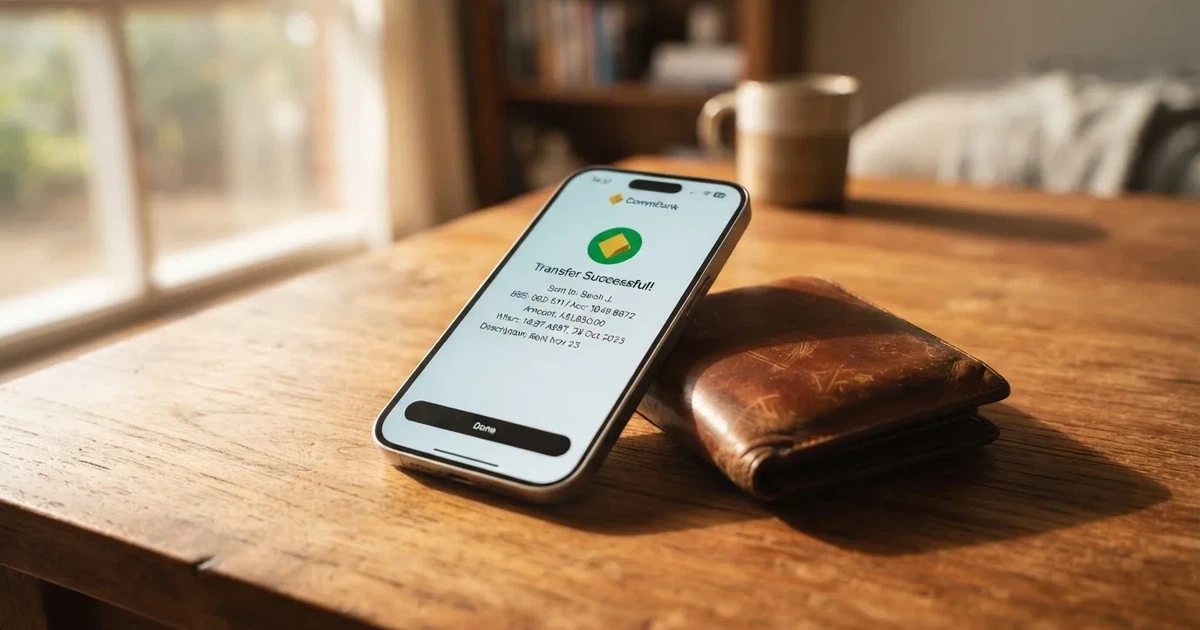
Current as of 29 October 2026 — verified against the Australian Communications and Media Authority register of formal warnings and blocking requests, the Reserve Bank of Australia’s Payments System publications, and the operator-licence registers held by the Northern Territory Racing and Wagering Commission.
Table of Contents
- What “instant payout” actually means in the Australian market
- The legal frame: how the Interactive Gambling Act actually bites
- Responsible gambling: what the offshore site does not connect to
- Cryptocurrency and “instant payout” claims
- How money actually moves: the Australian rails and what they can settle
- The featured brands: every “instant payout” site the ACMA has warned
- What the blocking rate actually tells a reader
- What an Australian reader can actually use
- What the marketing actually costs
- Frequently asked questions
What “instant payout” actually means in the Australian market
“instant payout” is a marketing label, not a regulated category. It borrows the language of modern Australian retail banking — PayID transfers that settle in under a minute, Osko payments that arrive twenty-four hours a day, mobile wallet authorisations that feel as fast as tapping a card — and bolts it onto an offshore casino cashier that has no Australian regulator attached to it.

Two different things travel under the same phrase. One is the payment rail, the technical pipe the money moves through. The other is the operator’s own processing time, the queue on the casino’s side before the money is released into the rail. A casino that pays out by a real-time rail can still hold the withdrawal in a manual review for forty-eight hours. A casino that releases the withdrawal in five minutes can still send the funds through a wire that takes three working days to clear. The phrase, on its own, tells the reader nothing about which of these is doing the work.
What Australian players actually have on the legal side is a set of payment rails that settle in seconds — PayID, Osko, the New Payments Platform — and no Australian-licensed casino games to use them on. Licensed Australian wagering is restricted to sports and racing bets placed before the event, plus lotteries and keno. Everything that calls itself an “instant payout online casino” in Australia is, by definition, an offshore operator offering a prohibited product.
The legal frame: how the Interactive Gambling Act actually bites
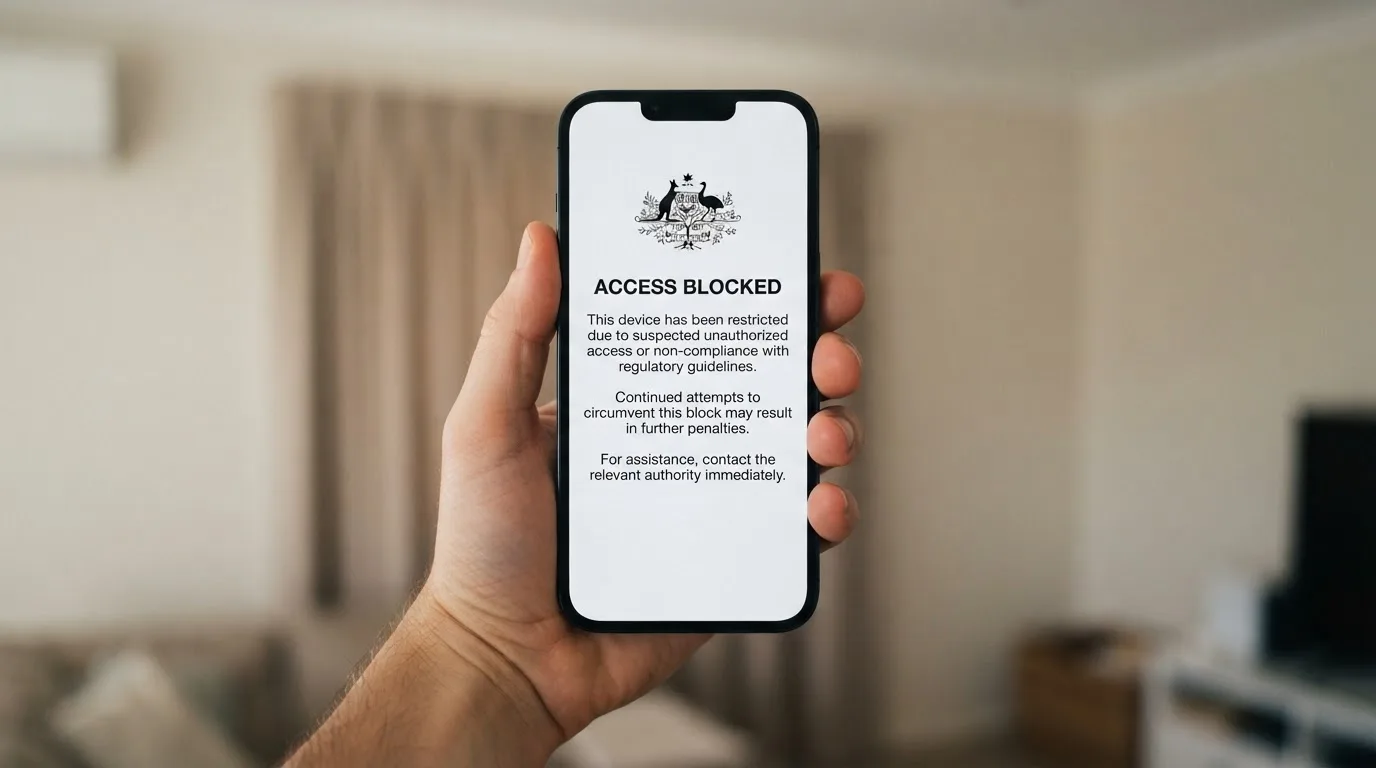
The IGA does not work by chasing individual players. It works by chasing providers. The Australian Communications and Media Authority investigates complaints, issues formal warnings, and can ask the Federal Court to order Australian internet service providers to block offending websites at the DNS level. The individual punter is not prosecuted. The operator is, and a blocked site can leave a balance on a player’s account that the player has no Australian complaint body to chase.
Three pieces of the frame shape everything else on this page.
First, the scope of the prohibition. Online casino games, online pokies, and in-play betting on sport are all prohibited interactive gambling services under the Act. Pre-event wagering on races and sport is licensed, almost entirely through the Northern Territory, because the Territory’s point-of-consumption tax made it the practical home for big operators like Sportsbet, Bet365 and Ladbrokes — fifty-two online bookmakers in total, regulated by a commission with no full-time staff that meets once a month in Darwin.
Second, the enforcement chain. A formal warning is the ACMA’s first move and is published on its website. A repeat or ignored warning leads to a request to internet service providers to block the site. The register of formal warnings and blocking requests is the public record of how the prohibition has actually been applied, brand by brand, year by year.
Third, the gap the offshore site fills. An Australian consumer who has a complaint about a domestically licensed bookmaker has a state or territory regulator and an external dispute resolution scheme. A consumer with a complaint about an offshore casino has none of that. The site can refuse a withdrawal, change its terms, close the account, and the player has no Australian phone number to call.
What the ACMA’s enforcement record looks like up to mid-2026
By the middle of 2026 the authority had directed Australian internet service providers to block a total of 1,751 illegal gambling and affiliate marketing websites since the first blocking request in November 2019, and more than 230 unlicensed gambling services had left the Australian market entirely since enforcement was strengthened in 2017. The pattern is consistent: a round of formal warnings, a round of blocking requests, then the next batch of new domains under new operators.
The June 2026 round alone asked ISPs to block twelve more sites: 7Signs, ChromaBet, Donbet, Duospin, Freshbet, Slots Gem, Jacks Club, Lucky Start, Pointsbetz.com, Spinrise, Vinyl Casino and Wildsino. The brands that come and go under those domains look interchangeable. The underlying operators — Dama N.V., Hollycorn N.V., Ryker B.V., the various S.R.L.s and B.V.s behind them — tend to reappear under fresh skins once one of their domains is blocked.
The H2 Gambling Capital estimate puts annual Australian losses to illegal gambling sites at about A$3.9 billion, and the share of gambling going through legal channels has fallen from 74% in 2021 to 64%. That is the cost of the gap this page is filling: a regulated market shrinking while an unregulated one grows.
Why the offshore licence on a casino’s footer is not a clearance
Offshore operators routinely display a Curaçao, Anjouan, Kahnawake, or Costa Rica licence at the foot of their home page. That license permits them to operate in the jurisdiction that issued it. It does not permit them to offer online casino games to a person in Australia, because no jurisdiction’s licence overrides the IGA. The site is offering a prohibited service to Australians whatever the footer says. The ACMA’s formal warnings are issued to the operating company named on the site, not to the licence issuer, because the prohibition runs against the provider of the service, not against the licence.
A reader who treats the offshore licence as a green light will find, on the first withdrawal dispute, that the licence is a venue for arbitration in a country the reader cannot easily reach, applying rules the reader did not read. The ACMA’s warning is the closer signal, and the ACMA’s record on this is short and clear.
Responsible gambling: what the offshore site does not connect to
Australian responsible-gambling infrastructure is built around Australian-licensed operators. Offshore sites are not part of it.
BetStop — the National Self-Exclusion Register — has been live since August 2023 and binds every Australian-licensed online and phone wagering service. A punter who registers with BetStop is excluded, by force of the operator’s licence conditions, from opening new accounts, depositing, or betting with any of them. The register covers around 190 licensed wagering services and excludes a person for a chosen period of three months, six months, or up to five years, with a minimum twelve-month exclusion for the longest commitment.
An offshore casino is not bound by BetStop. A punter who has self-excluded through BetStop can still open an account at an offshore casino, deposit, and play, because no Australian licence condition reaches the offshore operator. Self-exclusion at the offshore site itself is voluntary, run by the offshore operator on its own terms, and can be reversed at the operator’s discretion.
The National Gambling Helpline — 1800 858 858 — is free, runs twenty-four hours a day, and routes callers to Gambling Help Online for web chat and counsellor booking. The service is funded by the Commonwealth and is independent of any operator. It is the first stop for anyone whose gambling has stopped being recreational, whether the gambling happens through a licensed Australian bookmaker, a lottery, a pokies venue, or an offshore site.
The same applies to the consumer-protection side. A dispute with a licensed Australian bookmaker can be raised with the relevant state or territory regulator and, if unresolved, with an external dispute resolution scheme. A dispute with an offshore casino has no Australian hook. The punter has the offshore operator’s own complaints process, which is also the body that pays out the disputed funds.
Cryptocurrency and “instant payout” claims
Cryptocurrency gets bolted onto the instant-payout pitch because on-chain settlement is fast: a Bitcoin transaction can confirm in minutes, an Ethereum transaction in seconds, a stablecoin transfer on a Layer 2 network effectively the moment the user signs. The marketing follows the rail.
Two things blunt the marketing for an Australian reader.
Cryptocurrency is not a permitted payment method for Australian-licensed online wagering. Since 11 June 2024 the credit-card ban has been extended, via amendments to the Interactive Gambling Act, to digital currency as well. A licensed Australian bookmaker cannot accept a Bitcoin deposit, an Ethereum deposit, or a USDT deposit. Penalties for the operator reach A$247,500 per breach. So when an “instant payout crypto casino” accepts a Bitcoin deposit from an Australian, it is accepting a payment method that the Australian rules forbid for gambling, which is a second offence on top of offering the games themselves.
On-chain speed is real, but the casino’s own processing still applies. A casino that takes Bitcoin deposits can still hold a withdrawal in a manual review. The on-chain confirmation may take minutes; the release may take days. The “instant” in the marketing is the part the operator wants to talk about, which is the part the operator controls the least.
There is also a separate cost. Cryptocurrency deposits pass through a wallet the player controls, and a player who keeps a balance on the offshore casino’s internal wallet has no segregation, no Australian recourse, and no chargeback right. The bank rails discussed in the next section carry chargeback rights and dispute processes that a crypto deposit does not.
The honest reading of “instant payout crypto casino” for an Australian reader is: a payment method the Australian regulator has banned for gambling, on a site that offers a product the Australian regulator has banned entirely, with a speed claim that is partly about the rail and partly about the operator’s own queue.
How money actually moves: the Australian rails and what they can settle
The Australian retail payments system is, by global standards, unusually fast and unusually consolidated. Three rails do almost all of the work a punter would ever touch, and they all settle in seconds rather than days.
PayID and Osko — the New Payments Platform’s real-time layer
The New Payments Platform went live to the public on 13 February 2018 and is owned by New Payments Platform Australia Ltd, a non-profit whose thirteen shareholders include the Reserve Bank of Australia and the major banks. The platform runs Osko, the real-time transfer service that sends a bank-to-bank payment in under a minute, twenty-four hours a day, including weekends. The payer addresses the payment to a PayID — a phone number, email address, ABN, or organisation name registered against an account — and the receiving bank’s confirmation screen shows the actual name on the account before the payer authorises the transfer.
PayID registration passed 25 million identifiers by April 2025, and more than 100 Australian financial institutions offer PayID-based instant transfers through the New Payments Platform. The platform’s outage budget is tight: participants must keep monthly outages to no more than two minutes. In 2021 the ACCC authorised merging NPP Australia with BPAY and eftpos into a single company, Australian Payments Plus, which now operates PayID, Osko, and BPAY under one roof.
For an Australian reader, two facts matter more than the rest. First, an Osko transfer to a PayID that shows the recipient’s name before confirmation is the closest thing the Australian system has to a guaranteed near-instant domestic transfer. Second, AP+ itself warns that an Australian being asked to send a PayID transfer to an illegal gambling site is “almost certainly” looking at a scam. The rail is real; the operator asking for it is not.
BPAY — the bill-payment rail that is not a transfer rail
BPAY is the bill-payment service most Australians meet through a power bill or a council rate notice. The payer enters a Biller Code and a Customer Reference Number, the biller receives the payment, and the payment posts on the next business day. It launched on 18 November 1997 and is owned equally, via Cardlink Services Limited, by ANZ, Commonwealth Bank, National Australia Bank and Westpac. It is available through the online banking of more than 140 institutions and is accepted by over 95,000 businesses.
BPAY is a bill-payment rail, not a transfer rail. It works for paying a biller that has registered a Biller Code; it does not work for sending money to a friend’s PayID or a casino’s account. An “instant payout” claim that runs through BPAY is either a misunderstanding of the rail — because BPAY posts next business day at the earliest — or a misdescription of an Osko transfer that the casino is calling BPAY for branding reasons. The rail itself is well established, slow by Australian standards, and not the right rail for a withdrawal claim that uses the word “instant”.
Cards, wallets, and the merchant blocks the banks apply
Cards and wallets are the rails where the picture is most tangled for a punter. Australian banks do not sit neutral on gambling. Three of the four majors run a card-level gambling block that refuses authorisation of transactions registered under the merchant category code for betting and casino gambling.
Westpac’s gambling block refuses authorisation of transactions tagged with the betting/casino gambling merchant category code on eligible personal credit and debit cards. The block is set up at card level and applies wherever the card is presented, including through a digital wallet.
ANZ’s gambling transaction block, activated in the ANZ app, blocks gambling transactions made through a digital wallet such as Apple Pay on an eligible card, not just the physical card. Once turned on, removing the block again requires a 48-hour waiting period, and the bank warns that not all gambling transactions will be blocked and that some non-gambling transactions might be blocked in error. The 48-hour cool-off is itself a consumer-protection measure designed to prevent the impulsive off-switch.
Commonwealth Bank’s gambling lock, applied to eligible cards through the CommBank app, automatically blocks most gambling transactions, with the same disclaimer that it cannot guarantee every gambling-related purchase is stopped.
Apple Pay itself does not charge consumers a fee for in-store, in-app, or online use — any surcharge is the merchant’s own card-processing fee — and Apple states that transaction limits and PIN requirements are set by the card issuer or merchant, not by Apple. By the end of 2025, Apple Pay, Google Pay and Samsung Pay together accounted for around 45% of all card payments in Australia by number. The wallet is a pass-through; the gambling block lives on the card behind it.
A practical consequence follows from all of this. The “instant payout casino” page that promises fast withdrawals and accepts a credit card, a debit card, or a wallet on the deposit side is asking the punter to transact with a merchant category code that the punter’s own bank is configured to refuse. The bank’s block makes the deposit itself impossible — there is no instant payout because there is no deposit.
The credit-card ban for Australian-licensed wagering
The IGA amendments that commenced on 11 June 2024 made it an offence for an Australian-licensed online wagering service to accept payment by credit card or other credit-related products. The ban extends in practice to credit-funded digital-wallet transactions, because the wallet passes the merchant category code through to the card on the back. The deposit rail the licensed wagering market now accepts is debit card, bank transfer, PayID/Osko, and BPAY. The deposit rail the offshore casino market accepts is broader — credit card, cryptocurrency, e-wallets the bank does not recognise as gambling — and that breadth is itself a marker of being outside the Australian regime.
The featured brands: every “instant payout” site the ACMA has warned
What follows is not a ranking. The plan is explicit on this point: there is no recommendation, because the product on offer is prohibited in Australia and no comparative score can make a prohibited product sensible. Every brand in this section is listed because the Australian Communications and Media Authority itself issued a formal warning over it for offering prohibited interactive gambling services to Australians. The list and the order come from the ACMA’s published register.
The operator names below are the legal entities the ACMA named in each warning, with the date of the warning as published. None of these licences, anywhere on the planet, override the Interactive Gambling Act 2001.
| Brand | ACMA action and date | Operator named by the ACMA | Subject support |
|---|---|---|---|
| RocketPlay | Formal warning, March 2026 | Pulsup Ltd (Rocketplay.com.au) — earlier Dama N.V., May 2022 | — |
| Level Up Casino | Formal warning, May 2022 | Dama N.V. | — |
| Woo Casino | Formal warning, March 2025 | Dama N.V. | — |
| Spirit Casino | Formal warning, May 2025 | Dama N.V. | — |
| National Casino | Formal warning, July 2025 | Consolutetish S.R.L. | listings-only |
| Bizzo Casino | Formal warning, July 2025 — earlier 2022 warning to TechSolutions | Consolutetish S.R.L. | — |
| Ignition Casino | Formal warning, July 2025 | Bamboo Media | — |
| Instant Casino | Formal warning, February 2025 | EOD Code SRL | listings-only |
| Jackbit | Formal warning, April 2026 | Ryker B.V. | — |
| Casino Intense | Formal warning, April 2025 | Sterplay Holding Ltd | listings-only |
| Sky Crown | Formal warning, September 2022 | Hollycorn N.V. | — |
Two patterns jump out of the table.
The first is the recurrence of operating-company names. Dama N.V. shows up under RocketPlay, Level Up Casino, Woo Casino and Spirit Casino. Consolutetish S.R.L. is named under both National Casino and Bizzo Casino, with Bizzo having been separately warned under TechSolutions three years earlier. The same operator reappears under new skins once a previous domain has been warned or blocked, which is how the ACMA’s register reads when you walk down the list.
The second is the absence of any Australian-licensed operator from this list. The list is, by construction, a list of operators the ACMA has acted against. Every entry in it is offering a prohibited product. There is no Australian counterpart to add, because no Australian jurisdiction licences the product these sites are selling.
What the table does not say
A reader skimming the table is going to want a payout-speed number. There isn’t one, and that absence is the point. The fastest documented payout time on a site that the ACMA has just warned is not a useful number, because the balance sitting behind that payout time is, by the ACMA’s own action, a balance that an Australian regulator cannot protect. A figure quoted from an affiliate review page is also, structurally, a figure with a financial interest in the reader believing it.
Where the table does carry information, it carries the kind a reader can act on. The “Subject support” column records whether any of the consulted Australian-facing information sources — the ACMA’s own register, the AUSTRAC reporting threshold notice, the PayID safety warning, the bank’s gambling-block page, the Gamblinginsider.com listing — even names the brand. Where a brand is listed in those sources only as a subject of warnings, it is a brand Australian infrastructure knows about the wrong way.
RocketPlay
RocketPlay drew an ACMA formal warning against Pulsup Ltd in March 2026, over the Australian-facing site Rocketplay.com.au. It had been warned earlier, in May 2022, as one of six Dama N.V. brands. The earlier warning covered Bambet, Dazard, Level Up, Rocketplay, Wild Tornado and Cobra Casinos. The reappearance under a new operating company is the pattern the ACMA’s enforcement is built around: a domain warning, then a fresh corporate vehicle, then the same product under a new name.
The “instant payout” pitch on the site offers the same set of payment methods the offshore market broadly offers — card, e-wallet, a handful of cryptocurrencies — and runs them through the operator’s own processing queue. The operator is offering a prohibited service to Australians. The site’s payment page has no relationship with the Australian gambling-block infrastructure; it processes transactions under merchant category codes that Westpac, ANZ and Commonwealth Bank refuse to authorise.
The verdict this page can defend is that a reader who reaches the RocketPlay cashier from inside Australia is using a payment method their own bank is configured to refuse and is depositing into a service their own regulator has just warned. The site’s “instant” is fast only if the deposit goes through at all, and the deposit goes through only if the bank’s block is not on.
Level Up Casino
Level Up Casino was named in the same Dama N.V. warning of May 2022, alongside the five other brands above. The brand has not been the subject of a more recent ACMA action in the consulted set, but the underlying operator has been — under Woo Casino in March 2025 and Spirit Casino in May 2025 — which means the entity the ACMA named is the entity still running this skin.
The site’s pitch mirrors the offshore cluster’s pitch: thousands of pokies, live casino, a “fast withdrawal” promise, and a bonus programme that scales with deposit size. The speed of the withdrawal, to the extent any affiliate review has measured it, depends on the payment method and on whether the operator’s own KYC review has cleared. The product itself is, by the ACMA’s record, prohibited.
The verdict for a reader is the practical one. The brand’s offshore corporate structure is not the marketing line it presents as; the ACMA has named the same parent three times in four years across three brands. The reader’s protection in the event of a withdrawal dispute is exactly what the ACMA’s warning implies: none from the Australian side.
Woo Casino
Woo Casino drew a fresh ACMA formal warning to Dama N.V. in March 2025. The warning is published on the ACMA’s register; the operating company is the same Dama N.V. the authority warned in 2022 over six other brands. The pitch on the site is the standard mix of slot catalogue, live dealer tables, and a tiered welcome package.
What is worth flagging to a reader is the gap between the brand’s marketing and its regulator’s record. A brand whose parent company is on a published list of ACMA formal warnings does not have an Australian-licensed path to a dispute. The site’s footer licence, wherever it sits, does not reach a person in Australia.
Spirit Casino
Spirit Casino was the second 2025 Dama N.V. warning, in May 2025. The pattern matches Woo Casino exactly: same parent company, same product, different skin. The site’s marketing pushes the same payout-speed language that the offshore cluster pushes universally.
The verdict to carry away is that the underlying Dama N.V. warnings have accumulated — the May 2022 round, the March 2025 round, the May 2025 round — without the Australian regulator softening its position. The direction of travel in the register is one way.
National Casino
National Casino received an ACMA formal warning addressed to Consolutetish S.R.L. in July 2025. The brand is named in the ACMA’s own register and in the Australian Payments Plus scam-warning material that warns against PayID transfers to illegal gambling sites. The brand has a documented footprint, in other words, on the Australian-facing side of the warning infrastructure, even though no Australian licence attaches to it.
The site’s product is the offshore cluster’s product. The payout speed is whatever the operator’s queue produces. The verdict a reader needs is the same one the ACMA’s own publication gives: this brand is named because it offers prohibited services to Australians.
Bizzo Casino
Bizzo Casino was warned by the ACMA in July 2025, named in the same Consolutetish S.R.L. warning as National Casino. Bizzo had been the subject of an earlier formal warning in 2022, addressed to TechSolutions (CY) Group Limited and TechSolutions Group N.V. Two operators, three years apart, one brand — which is the structural pattern a reader is meant to recognise when the marketing on the site is silent about it.
The pitch on the site, like the cluster’s pitch, leads with payout speed. The substance of the pitch is the same offshore payment set, the same KYC review, the same absence of an Australian dispute body. The verdict for a reader is that the brand’s history under two named operators is itself the information an Australian punter needs.
Ignition Casino
Ignition Casino earned an ACMA formal warning directed at Bamboo Media in July 2025. The brand is offshore, the parent company is named in the warning, and the product on offer is the prohibited one. The site’s marketing positions itself around poker, sports crossover, and a casino cashier with a fast-withdrawal pitch.
A reader who arrives at Ignition from Australia is depositing through a merchant category code that the bank behind the card is configured to refuse. The bank’s block is the only consumer protection on the Australian side of the deposit, and the bank’s block is not a guarantee — the operators themselves admit the block does not catch every transaction.
Instant Casino
Instant Casino drew an ACMA formal warning against EOD Code SRL in February 2025. The brand name is a literal restatement of the topic — “instant” sits in the URL — which is the part of the marketing the ACMA’s own warning is sitting over.
The site’s pitch restates the marketing claim: instant payouts, instant withdrawals, a brand named for the marketing claim. The ACMA’s record on the brand is in the opposite direction. The warning is published, the operating company is named, the product on offer is prohibited, and the “instant” in the name is the very claim the regulator’s action is contesting. There is no Australian-licensed path to a dispute.
Jackbit
Jackbit drew an ACMA formal warning against Ryker B.V. in April 2026. The brand runs primarily on a cryptocurrency cashier, which is the part of the pitch the topic reaches for when a reader types “instant payout crypto casino”. Bitcoin deposits, on-chain withdrawals, the speed that comes from a permissionless network.
The two problems for an Australian reader are the ones discussed in the section on crypto above. Cryptocurrency is not a permitted deposit method for Australian-licensed wagering; an offshore casino offering it is doing so on top of offering a prohibited product. And on-chain speed is real speed only for the part of the withdrawal the operator does not control — the part the operator controls still passes through the same manual review queue.
Casino Intense
Casino Intense was the subject of an ACMA formal warning to Sterplay Holding Ltd in April 2025. The brand appears in the consulted Australian-facing sources only as a subject of warnings, and the absence of any Australian consumer-facing presence is consistent with the product being offshore and the regulator’s action being on the record.
The site’s pitch is the offshore cluster’s pitch: a long slot list, a fast-withdrawal promise, and the same payment set the cluster carries. The verdict is the verdict the ACMA’s register itself implies — a brand on a warning list with no Australian protection behind any balance.
Sky Crown
Sky Crown was the subject of an ACMA formal warning to Hollycorn N.V., published as a PDF on the ACMA’s site in September 2022. The same Hollycorn N.V. was named in a parallel warning over Blue Leo.
The brand has been on the register for the longest stretch of any in this list. The product on offer has not changed; the regulator’s posture has not changed; the reader’s protection in Australia has not changed. The verdict is the same: a warning on the public record, an offshore product, no Australian dispute body.
What the blocking rate actually tells a reader
The plan asked for one calculation: the blocking rate, drawn from the running count of blocked sites and the date of the first blocking request in November 2019.
Total blocked sites at the most recent consulted count: 1,751.
First blocking request: November 2019.
Most recent blocking round consulted: June 2026.
From November 2019 to June 2026 is roughly 79 months, which gives an average blocking rate of about 22 sites per month across the whole enforcement period — but the rate is not even across the period. The first blocking requests ran at a slower pace as the regime bedded in; the rounds since 2023 have been larger and more frequent. The most recent twelve months show materially more blocks than the early period, and June 2026 alone added 12. A reasonable band to give a reader is roughly 15 to 25 sites per month across the period, with the more recent twelve running materially higher than the early years — the headline figure, with the condition it is.
What that rate means for a reader is that the ACMA is blocking sites faster than it was five years ago. The “exit, re-enter under new name” cycle the offshore operators use is being met with a faster blocking pipeline. A site a reader sees advertised today has a meaningfully shorter expected lifespan on the Australian internet than a site advertised in 2020.
What an Australian reader can actually use
If the online casino side of the search is closed off, what does an Australian reader who wants to play pokies or table games actually do?
Licensed Australian venues. Every state and territory licenses physical casinos and licensed pokies venues — pubs and clubs with poker machines under a state-level cap and a state-level self-exclusion register. The product is the same game, the same Random Number Generator, the same Return-to-Player percentages, on a machine the player can see. State regulators handle complaints, and a self-exclusion through a state register is binding on the venue.
Pre-event wagering with a licensed Australian bookmaker. Sports betting on events before they start, and racing, are licensed in Australia — almost entirely through the Northern Territory Racing and Wagering Commission, which regulates fifty-two online bookmakers including the major brands. The credit-card ban applies to these operators, which means the deposit rails are debit card, bank transfer, PayID/Osko, and BPAY. A withdrawal from a licensed bookmaker is a domestic transaction the player’s own bank can see.
Lotteries and keno. Tatts, Tabcorp, the state lotteries — these are the licensed lottery products under state-level regimes. The product is narrower than a casino floor, the prizes are structured, and the consumer protection regime is the same Australian regime that covers other licensed gambling.
Self-exclusion through BetStop. For anyone who wants a hard break, BetStop binds every Australian-licensed wagering service. The minimum exclusion is three months; the maximum is five years. The longer exclusions cannot be revoked early, which is the structural feature that gives the register its weight.
Help through 1800 858 858. The National Gambling Helpline is free, twenty-four hours a day, and routes to Gambling Help Online for chat. The line is for the player, and for the people around the player, and it is the one number that does not change when the offshore site changes its domain.
What the marketing actually costs
The cost the page is meant to surface is not the cost of a spin. The cost is the cost of taking the marketing at face value.
A punter who treats “instant payout online casino” as a category to be ranked is in the market for a prohibited product. The fastest payout on a prohibited site does not protect the balance; the offshore licence does not protect the dispute; the credit-card deposit does not protect the bank’s block from being switched off. The Australian regulatory frame around gambling is built to make the prohibited product both more expensive and more legally exposed than the licensed one. The page is the explanation of why.
The arithmetic underneath the marketing is the harder part to see. A 96% Return-to-Player slot on a licensed Australian machine pays back 96 cents in the dollar over the long run, on a machine the player can see, with a complaint the player can file. A 96% Return-to-Player slot on an offshore site pays back the same 96 cents in the dollar in the random-number-generator maths, on a server the player cannot audit, with a complaint the player cannot file. The percentage is the same; the wrapper around the percentage is not.
That is what “instant payout” actually costs in Australia. The wrapper around the percentage.
Frequently asked questions
Does “instant payout” mean the money is truly available immediately?
No, not in the way the marketing uses the phrase. “Instant” describes the payment rail, and the rail is only one part of a withdrawal. The other part is the operator’s own processing — the KYC check, the bonus-clearing check, the anti-fraud review — which can take hours or days and which the operator controls entirely. A withdrawal that the rail moves in a minute can still take forty-eight hours to leave the operator’s queue. Read the operator’s stated processing time, not the rail’s, and treat any claim of “instant” that does not separately name both numbers as marketing.
Which Australian payment rail is built for near-instant transfers?
Osko, which runs on the New Payments Platform. A bank transfer between participating Australian banks settles in under a minute, twenty-four hours a day, including weekends, and the receiving bank confirms the name on the account before the payer authorises the transfer. PayID is the addressing layer that makes Osko usable — over 100 Australian financial institutions offer it, and more than 25 million PayID identifiers were registered by April 2025. AP+ itself warns that an Australian being asked to send a PayID transfer to an illegal gambling site is almost certainly looking at a scam, which is the right caution for any “instant payout casino” cashier that asks for a PayID.
Is it legal for an online casino to advertise instant payouts to Australians?
No. The Interactive Gambling Act 2001, as strengthened in 2017, makes it an offence to provide online casino games or online pokies to a person in Australia. The advertising of an instant-payout offer to an Australian reader is the offer of a prohibited service. The 2026 reform — the Interactive Gambling Amendment (Gambling Reform) Bill 2026, passed 19 August 2026 — tightens the advertising and inducement side of the regime, with those measures commencing on 1 January 2027. The substantive prohibition is already in force on a page read in 2026.
Can a cryptocurrency withdrawal really be instant?
On-chain, yes. The confirmation speed is real — Bitcoin in minutes, Ethereum in seconds, a stablecoin transfer on a Layer 2 effectively the moment the user signs. What the phrase does not describe is the casino’s own processing time, which is the same KYC and bonus-clearing queue any other withdrawal passes through. Cryptocurrency is also not a permitted payment method for Australian-licensed online wagering; the 2024 IGA amendments banned digital currency alongside credit cards, with operator penalties up to A$247,500 per breach. An offshore casino accepting a Bitcoin deposit from an Australian is offering a prohibited product via a prohibited payment method, and the on-chain speed does not undo either prohibition.
What verification steps can delay an otherwise instant payout?
Three. First, identity verification — the operator’s KYC review of the player’s documents, which can take twenty-four to seventy-two hours on the first withdrawal and is repeated whenever the player changes a payment method. Second, source-of-funds verification, which is triggered by larger withdrawals and which some regulators now require by law. Third, bonus-clearing verification — the operator confirming that any active bonus has been completed before releasing the related balance. None of these are optional on a legitimate operator; on an offshore one, the operator decides how aggressively to apply them, and the player has no Australian complaint body to appeal to if the application is unreasonable.
Should a claimed instant payout change how much someone trusts a site?
No, not in Australia. The product the site is offering is prohibited under the Interactive Gambling Act 2001, the ACMA’s register of formal warnings is the public record of how that prohibition has been applied, and no offshore licence overrides the Act. A payout speed quoted on a prohibited site is a marketing line that the site’s own regulator cannot enforce. The right reading of a fast payout claim on an offshore site is the opposite of the marketing: it is a feature the Australian regulator does not endorse, on a product the Australian regulator does not license, from an operator the Australian regulator has already warned.