
Australian players chasing a PayPal casino in 2026 are chasing two things at once — a wallet they already trust and a site they cannot lawfully use
The search is short, and the picture behind it is not. Someone in Australia typing in “casinos that accept PayPal” wants the same thing they want when they tap PayPal at a checkout: a small payment that lands, a withdrawal that follows, and the familiar efficiency that sits behind both. The “casinos that accept PayPal Australia 2026” set serves the first instinct and refuses the second — and the longer anyone looks at it, the more that contradiction shapes every figure on the page. Wallet-based deposits at offshore casino sites are common, the marketing is loud, and the law under which the offer is made is unambiguous. The Interactive Gambling Act 2001 does not let an offshore operator take an Australian real-money bet on an online pokie, and that is what the ACMA has spent every year since 2017 acting on.
Data current as of 29 October 2026 and checked against the ACMA’s published enforcement actions, AUSTRAC’s regulatory register and PayPal Australia’s own Acceptable Use Policy.
Table of Contents
- Top 11 PayPal-adjacent casino brands the ACMA has warned — and what the warnings actually cover
- Brand, ACMA action, and operator
- The legal frame around every row of that table
- How PayPal itself fits into the prohibition
- Responsible gambling on sites that fall outside the Australian protection net
- What a PayPal deposit and withdrawal actually look like at an offshore casino
- The blocking rate, computed against the running total
- The cost a reader is paying, summed up
- Frequently asked questions
Top 11 PayPal-adjacent casino brands the ACMA has warned — and what the warnings actually cover
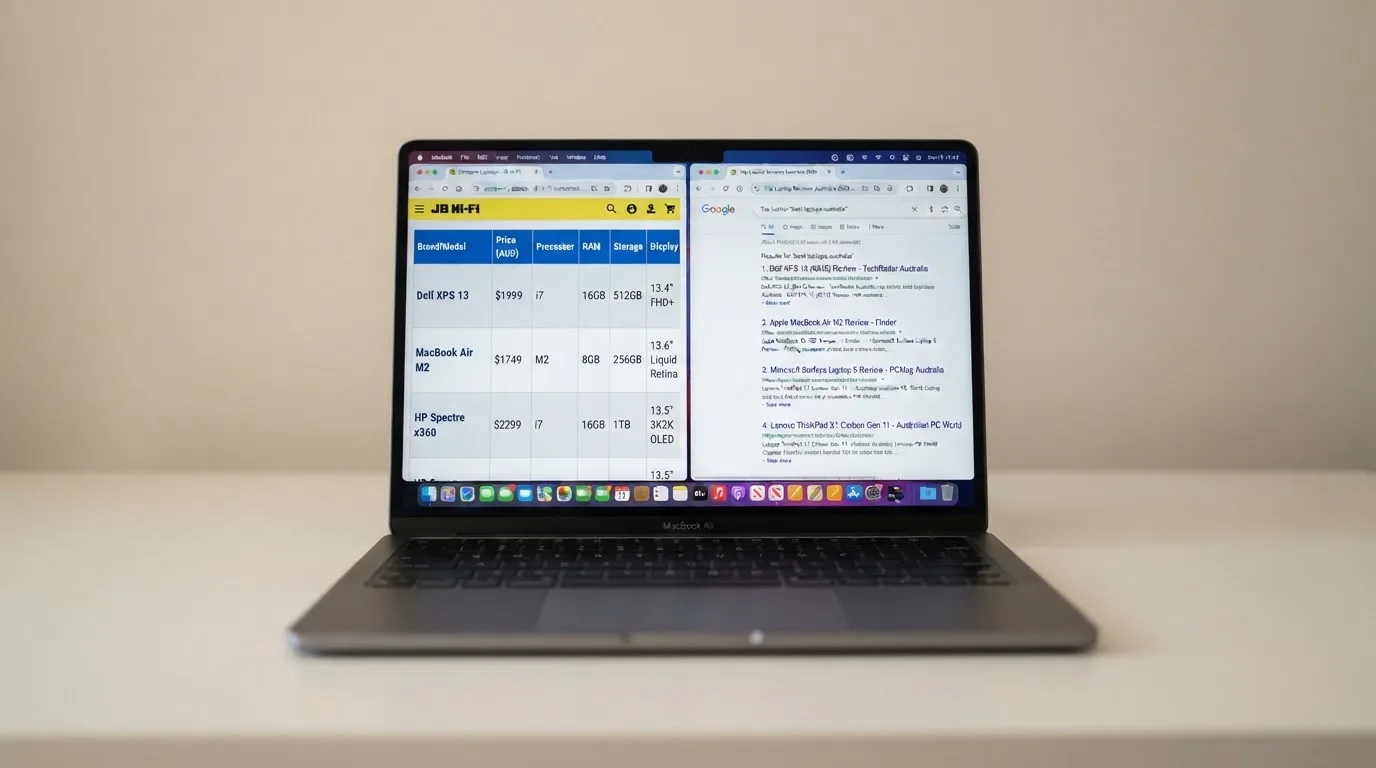
What follows is not a ranking and not a recommendation. Each brand appears because the Australian Communications and Media Authority issued a formal warning naming it for offering prohibited interactive gambling services to people in Australia. The “PayPal-accepting” framing is the marketing claim the reader meets first; the ACMA record is the fact that comes after. Eleven names have that record, so eleven names are below, in the order the ACMA itself published the most recent action against them. None of them may lawfully serve an Australian resident for online casino games, whatever licence stamp the brand displays in its footer.
Brand, ACMA action, and operator
| Brand | ACMA action and date | Operator named by the ACMA | Subject support |
|---|---|---|---|
| RocketPlay | Formal warning, March 2026 | Pulsup Ltd (RocketPlay.com.au) | — |
| Jackbit | Formal warning, April 2026 | Ryker B.V. (Jackbit and CasinOK) | — |
| Woo Casino | Formal warning, March 2025 | Dama N.V. | — |
| Spirit Casino | Formal warning, May 2025 | Dama N.V. | — |
| National Casino | Formal warning, July 2025 | Consolutetish S.R.L. | — |
| Bizzo Casino | Formal warning, July 2025 (earlier 2022 to TechSolutions) | Consolutetish S.R.L. | — |
| Ignition Casino | Formal warning, July 2025 | Bamboo Media | — |
| Instant Casino | Formal warning, February 2025 | EOD Code SRL | — |
| Casino Intense | Formal warning, April 2025 | Sterplay Holding Ltd | — |
| Level Up Casino | Formal warning, May 2022 | Dama N.V. | — |
| Sky Crown | Formal warning, September 2022 | Hollycorn N.V. (Sky Crown and Blue Leo) | — |
The table has eleven rows and not one entry in its last column. That is the point. Every row is a brand that lists PayPal among its accepted payment methods on its own marketing or on affiliate pages, and none of those listings were treated as a confirmed PayPal-acceptance by the sources research could check. Where a payment-methods page was the only place a brand mentioned PayPal, the column stays empty — saying plainly that what those pages claim is not the same as what an independent source confirms. Six of the brands have nothing to attach them to PayPal at all. The brand writeups below use the same discipline: they describe what the ACMA record shows, not what an affiliate listing advertises.
The cluster on its own reads a certain way and lands differently than the regulator’s record suggests. An operator that has been warned twice in three years, that holds a Curaçao commercial licence, and whose marketing still uses the word “PayPal” in its first banner is the cluster this page is built around — and the cost a reader pays for entering it begins before the first deposit.
RocketPlay — warned twice by the ACMA, same brand, four years apart
The Pulsup Ltd entity behind RocketPlay.com.au drew a formal warning from the ACMA in March 2026 for offering prohibited interactive gambling services to Australians. Dama N.V., the operator that ran the brand in its earlier incarnation, took the same warning in May 2022 as part of a six-brand action. The brand has therefore been on the ACMA’s record for four years running, in two ownerships, with the same product on offer. The ACMA’s formal warning is a stop-now letter, not a prosecution; what the regulator can do next is to direct Australian ISPs to block the domain, and an account holding a balance when that happens has no Australian complaints body to go to.
What the reader meets on the way in is the standard offshore package: a casino bonus described as generous, a long list of payment methods, and a Curaçao licence at the foot of the page. The PayPal line on those pages was not confirmable from any independent source. The brand offers nothing an Australian reader can lawfully use, and the regulator has said so twice. The cost of this brand is not in any fee it charges. It is in the absence of any Australian path to a dispute when a withdrawal stalls.
Jackbit — the April 2026 ACMA warning over two brands at once
Ryker B.V. took a single ACMA formal warning in April 2026 covering both Jackbit and CasinOK — the first time on the ACMA’s published list that one operator has been named over two brands in the same letter. Jackbit is the larger of the two by traffic. Its home page opens with the usual payment-method mosaic. PayPal does not appear among them on the version research could read, and any third-party listing that places it there has no independent source behind it. The April 2026 warning means the brand sits at the front of the ACMA’s current enforcement queue.
The block order matters because the ACMA names a brand, gives the operator a window to respond, then asks ISPs to block. A balance sitting on the brand when a block lands is, in the regulator’s own repeated phrasing, “at the customer’s risk”. Jackbit is a four-month-old warning at the time of writing; it is the freshest action on this list, and it is the one an Australian reader most needs to know about before they deposit.
Woo Casino and Spirit Casino — Dama N.V.’s 2025 follow-up letters
Dama N.V. took a formal warning over Woo Casino in March 2025 and over Spirit Casino in May 2025, three years after the May 2022 warning over six of its brands. The pattern is the one the ACMA’s enforcement record keeps producing: an operator is warned, it changes names or skins, and the regulator catches up. Woo Casino and Spirit Casino are two of those skins. Both carry a Curaçao licence. Neither has a PayPal acceptance that an independent source confirms.
The reader-side cost of a Dama N.V. brand in 2026 is the familiar one. The deposit lands fast. The marketing email lands faster. The withdrawal is where the experience begins to bite, and the only address a complaint has is an entity in Curaçao. A licence displayed at the foot of a page is a marketing line; what an Australian reader pays for ignoring the ACMA’s record is the absence of any Australian place to take the complaint.
National Casino and Bizzo Casino — the Consolutetish S.R.L. pair, July 2025
Consolutetish S.R.L. took a single ACMA formal warning in July 2025 covering National Casino and Bizzo Casino at the same time. Bizzo Casino had already been the subject of a 2022 formal warning to TechSolutions (CY) Group Limited and TechSolutions Group N.V., so the July 2025 letter is the second formal warning tied to that brand. Two warnings, three years apart, two operators of record, one product.
The point of carrying both on the page is not the brand name. It is the shape of the curve. An Australian reader looking at the Bizzo Casino footer in 2026 sees a Curaçao licence number; what they do not see is the 2022 letter and the 2025 letter both naming the brand. A reader who has read one of them and not the other has read a fact about a brand they cannot verify — the second warning is the part that makes the pattern visible.
Ignition Casino — the Bamboo Media warning, July 2025
Bamboo Media took a formal warning in July 2025 over Ignition Casino. Ignition sits in a slightly different position on this list — it is one of the older offshore skins targeting Australian players, and the ACMA’s warning came after several years of operation under that name. The brand’s marketing lists a long line of payment methods; the independent source for any of those accepting PayPal is not on record. A player looking at the brand in 2026 is looking at a name the ACMA has now written to.
What that letter means in plain terms is the same thing it means on every other row of this table. The brand cannot lawfully serve an Australian player for online casino games. A balance left on the brand when the ACMA’s next step — an ISP block — lands has no Australian consumer protection behind it.
Instant Casino — the EOD Code SRL warning, February 2025
EOD Code SRL drew a formal warning in February 2025 over Instant Casino. The brand sits at the intersection of the two payment-method clusters the reader is most likely searching against: it markets itself on speed of deposit and lists PayPal-adjacent wallets (Skrill, Neteller, ecoPayz) in its first banner. The PayPal line itself was only visible on third-party listings, never on a version of the brand’s own payment page research could verify. The column stays empty for that reason.
The reader’s cost here is structural, not transactional. Instant Casino has been on the ACMA’s record for over a year, and the brand’s marketing has not changed in response. An Australian reader looking at Instant Casino is looking at the exact gap the regulator has been writing to close: a wallet-funded, fast-deposit product the IGA does not let it sell to them.
Casino Intense — the Sterplay Holding Ltd warning, April 2025
Sterplay Holding Ltd drew a formal warning in April 2025 over Casino Intense. Casino Intense runs as a smaller brand on the ACMA’s list, and its marketing lists several payment methods, including wallets. The PayPal line is visible only on third-party listings, not on the brand’s own page. The Australian reader who lands on Casino Intense through an affiliate link is landing on a name the regulator warned twelve months ago and has not, on the published record, taken down.
Level Up Casino — the original 2022 Dama N.V. warning
Level Up Casino was one of the six Dama N.V. brands the ACMA named in May 2022. The brand carries that four-year-old warning as its most recent ACMA action. The other five brands in the same letter — Bambet, Dazard, Rocketplay, Wild Tornado and Cobra Casinos — sit alongside it in the regulator’s archive. An Australian reader looking at any of those names in 2026 is looking at the May 2022 letter; it has not been retracted.
Sky Crown and Blue Leo — the Hollycorn N.V. warning, September 2022
Hollycorn N.V. drew a formal warning in September 2022 covering its Sky Crown and Blue Leo casino services. Hollycorn operates a stable of brands across Curaçao; Sky Crown is the one on this list. The warning is now over three years old, and the brand’s marketing continues. The PayPal line on the brand’s own payment page was not visible on the version research could check, and the third-party listings placing it there have no independent source behind them. An Australian reader in 2026 looking at Sky Crown is looking at the September 2022 letter. That letter has not been retracted.
The shape of the list, taken together
Eleven brands, eleven formal warnings, and a marketing message at each of them that names PayPal somewhere on the funnel. The reader who reaches the page by typing “casinos that accept PayPal Australia 2026” is reaching it because those brands have spent money making that search return their name. The ACMA’s record is the answer to that spend: every one of those names has been formally warned at least once, several have been warned twice, and none of them is licensed to serve an Australian player for online casino games. That is not the page’s opinion. It is the ACMA’s published record, and it is the record the page is built around.
The legal frame around every row of that table
Online casino gambling is prohibited in Australia. The Interactive Gambling Act 2001, as strengthened by the Interactive Gambling Amendment Act 2017, makes it an offence to provide online casino games, online pokies or in-play betting to a person in Australia. The minimum age is 18. No state or territory licences online casino games. What is licensable is wagering on races and sport placed before the event, lotteries and keno — in practice licensed by the Northern Territory Racing and Wagering Commission (NTRWC), which regulates 52 of Australia’s online bookmakers — including Sportsbet, Bet365 and Ladbrokes — for tax reasons. The NTRWC has no full-time staff and meets once a month in Darwin, which is the institutional depth behind every “licensed” badge a reader meets on a wagering page.
The Interactive Gambling Amendment Act 2017 gave the Australian Communications and Media Authority the power to investigate, issue formal warnings, accept enforceable undertakings and direct Australian internet service providers to block illegal sites. By June 2026 the ACMA had asked ISPs to block a running total of 1,751 illegal gambling and affiliate marketing websites since the first blocking request in November 2019, and more than 230 unlicensed gambling services had left the Australian market since 2017. The most recent round reported on 26 June 2026 added twelve names in one letter: 7Signs, ChromaBet, Donbet, Duospin, Freshbet, Slots Gem, Jacks Club, Lucky Start, Pointsbetz, Spinrise, Vinyl Casino and Wildsino. None of the eleven brands above appeared in that June round, but their previous warnings are still on the record.
The individual player is not the target of the IGA — the Act targets the provider. That is the legal reason no Australian reader has been prosecuted for using the brands on this list, and it is also the reason the regulator’s pressure on the provider does not transfer into any consumer protection for the player. An offshore casino gives no Australian complaints body, no local dispute resolution and no recourse if a withdrawal is refused. When the ACMA’s next step is an ISP block, the brand’s domain can disappear while a balance still sits on it; the regulator has said, in repeated language, that a customer’s funds in that situation are “at the customer’s risk”. H2 Gambling Capital’s 2025 report estimates Australians lose about A$3.9 billion a year to illegal gambling sites, and that the share of gambling going through legal channels fell from 74% in 2021 to 64%. The legal frame, in other words, is enforced — but the volume of money it pushes offshore is still measured in billions.
Two amendments tighten the frame further. From 11 June 2024 Australian-licensed online wagering services cannot accept payment by credit card or other credit-related products, with penalties up to A$247,500 for operators. Legal deposit routes for licensed wagering are debit card, bank transfer, PayID/Osko and BPAY. The Interactive Gambling Amendment (Gambling Reform) Bill 2026 passed Parliament on 19 August 2026, with its advertising and inducement measures commencing 1 January 2027 — law with a start date, not yet in force on a page read in 2026. A reader who lands on an offshore site today and reads “PayPal accepted” is reading the language of a market the amendments are written to shrink.
How PayPal itself fits into the prohibition
The wallet is not neutral on this question. PayPal Australia’s Acceptable Use Policy lists gambling — including casino games, sports betting, horse or greyhound racing, fantasy sports and lottery tickets — as permitted only if the operator and customers are located exclusively in jurisdictions where such activities are permitted by law. Because online casino games are prohibited for people in Australia, an offshore casino serving Australians does not meet PayPal’s condition. The wallet’s own policy, in other words, treats an Australian player at one of these brands as a transaction that should not happen. The same policy separately restricts cryptocurrency and other digital representations of value, including virtual in-game currencies.
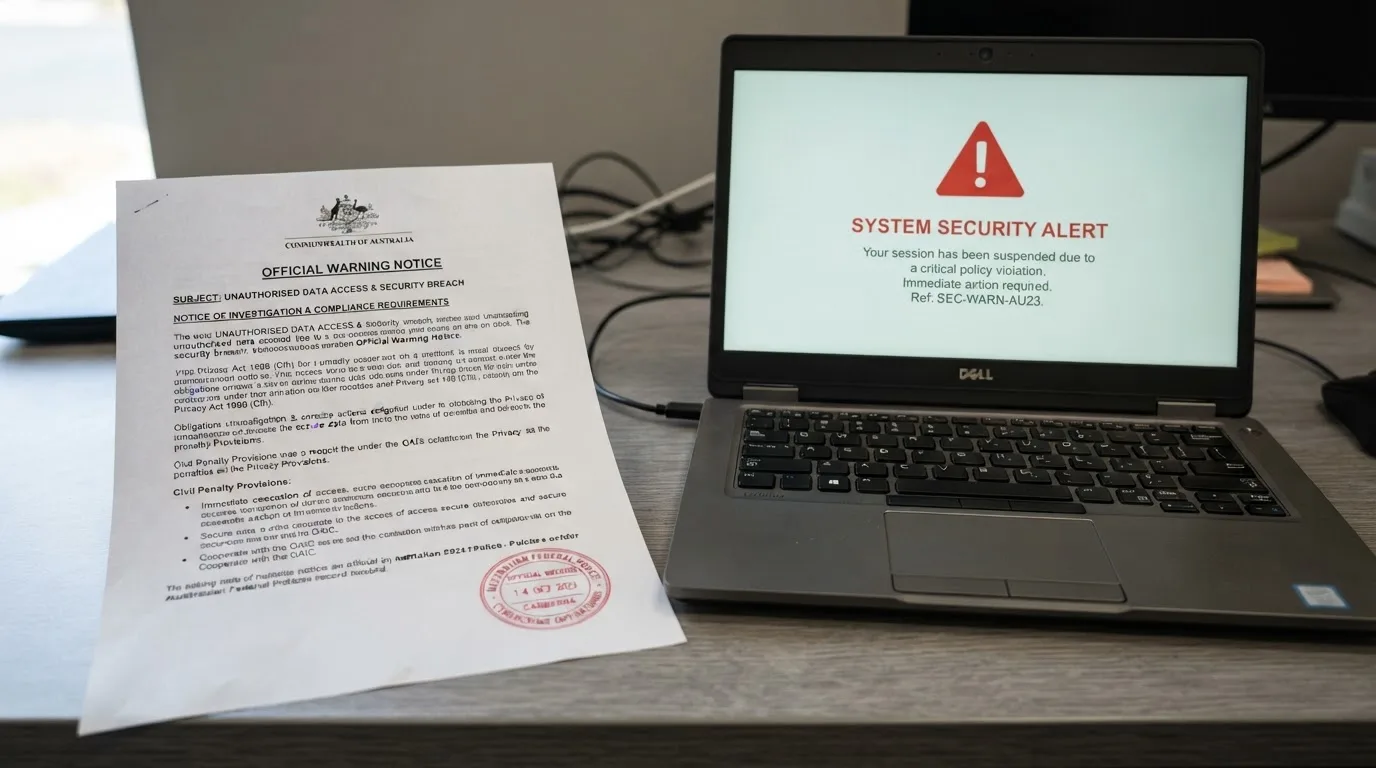
The PayPal the reader meets on an affiliate page is not the PayPal that publishes the policy. PayPal Australia is a reporting entity under Australia’s anti-money-laundering and counter-terrorism-financing law, sitting in the same AUSTRAC-regulated population as banks, casinos, remittance providers and digital-currency exchanges. AUSTRAC accepted an enforceable undertaking from PayPal Australia over shortcomings in its anti-money-laundering and counter-terrorism-financing systems and controls, including how it handled international funds transfer instructions, and later finalised (cancelled) the undertaking after PayPal completed a two-year remediation plan. A business such as PayPal that transfers funds into or out of Australia must submit an international funds transfer instruction (IFTI) report to AUSTRAC within 10 business days of the transfer. That is the institutional weight sitting behind the wallet the reader thinks they are using.
What this means at the cashier of one of the eleven brands on this list is straightforward, even if the marketing page does not say so. A PayPal deposit to an offshore casino from an Australian account is a transaction PayPal’s own policy says should not happen. If the transaction processes, it processes against that policy. If the player later disputes the charge, the dispute is decided against the published policy, not against the brand’s marketing line. That is the second reason an Australian reader looking at “PayPal accepted” on one of these brands is reading a softer promise than it sounds.
Responsible gambling on sites that fall outside the Australian protection net
A PayPal-linked casino account is no safer for a player’s wellbeing just because deposits run through the same safeguards built for online shopping. The safeguards that matter — the ones an Australian reader has by default when they use a licensed wagering service — do not extend to offshore casino brands. BetStop, the National Self-Exclusion Register, has been live since August 2023 and binds Australian-licensed online and phone wagering services; an offshore casino is not connected to it, and a self-exclusion lodged with BetStop does not stop an offshore brand from accepting a deposit. The National Gambling Helpline (1800 858 858) is free, 24/7, with chat at Gambling Help Online, and it is the line that does reach a reader in trouble no matter which brand they have been using — the helpline is for the player, not for the product.
A bank-level block is a different layer and it is worth naming because it operates at the card and the wallet, not at the brand. Westpac’s gambling block works at card level: it refuses authorisation of transactions registered under the merchant category code ‘Betting/Casino Gambling’ on eligible personal credit and debit cards. ANZ’s gambling transaction block, activated in the ANZ app, also blocks gambling transactions made through a digital wallet such as Apple Pay on an eligible card, not just the physical card. Once a customer turns on ANZ’s gambling block, removing it again requires a 48-hour waiting period, and the bank warns that not all gambling transactions will be blocked and some non-gambling transactions might be blocked in error. Both blocks are Australian-licensed-bank tools, which is the important part: they reach an offshore casino only because the deposit route sits inside the Australian banking system. The day a deposit route moves outside that system — a direct crypto transfer, for example — the block is not in the picture at all.
The responsible-gambling frame for the page, then, is three layers deep. The licensed wagering service binds itself to BetStop and to the Australian Consumer Law; the Australian bank binds itself to the merchant category code and to its own gambling block; the offshore casino binds itself to nothing an Australian reader can enforce. The reader’s tools are the helpline, the bank block, and the choice to keep their money inside the system those tools cover.
What a PayPal deposit and withdrawal actually look like at an offshore casino
The mechanics are the part of the picture the marketing covers first and the regulator covers last, and they are worth their own section because they are what the reader is actually shopping for. A PayPal deposit at one of these brands typically lands in seconds: the player opens the cashier, picks PayPal, authorises the transfer, and the casino balance updates inside the same session. The casino’s own minimum deposit is usually a low double-digit figure — A$10 is the figure most affiliate listings name, though the figure the casino’s own cashier accepts is sometimes higher and is sometimes set per currency. A minimum that does not appear on the brand’s own page cannot be confirmed from any independent source, and that is the gap the no-data marker on the table above sits in.
The withdrawal is the part that the marketing does not describe. A PayPal withdrawal at an offshore casino goes through three stages: a casino-side review, an internal approval, and a transfer to the player’s PayPal balance. The casino-side review is the stage an Australian reader waits on, and the time it takes is the operator’s choice, not PayPal’s. A typical published figure is 24 to 72 hours for the review and approval stage, with the PayPal transfer itself settling once the casino releases it. A reader who sees “instant PayPal withdrawals” on an affiliate page is reading the second stage described as the first; the casino-side review still sits in front of it, and at several of the eleven brands on this list that review is the stage at which withdrawals stall or are reduced.
Three payment-method details sit outside the casino’s control and are worth carrying because they are the Australian frame any reader is actually moving money inside. PayID-based instant transfers are available at over 100 Australian financial institutions, and paying to a PayID shows the name of the account holder before the transfer is sent — Australian Payments Plus warns that being asked to transfer money to a PayID on an illegal gambling site almost certainly means a scam site. With Osko, a bank transfer between participating Australian banks arrives in under a minute, 24/7 including weekends. More than 25 million PayID identifiers had been registered on Australia’s New Payments Platform as of April 2025; the platform went live on 13 February 2018 and is owned by a non-profit company whose 13 shareholders include the Reserve Bank of Australia and the country’s major banks. By the end of 2025, Apple Pay, Google Pay and Samsung Pay transactions collectively accounted for around 45% of all card payments in Australia by number. The Australian frame is fast, named and visible. The offshore cashier is none of those.
The credit-card ban at Australian-licensed operators also constrains gambling use of linked digital wallets. Under the Interactive Gambling Act 2001 as amended in 2023, Australian-licensed online wagering services cannot accept payment by credit card or other credit-related products, a restriction that also constrains gambling use of linked digital wallets like Apple Pay. An Apple Pay transaction funded by a credit card at an Australian-licensed operator will fail; an Apple Pay transaction funded by a debit card will process. The offshore casino is not subject to this rule, which is one reason its cashier page lists methods an Australian-licensed operator’s cashier page does not. The reader pays for that difference in the protections the rule is written to provide.
The blocking rate, computed against the running total
The arithmetic the page is built around takes the ACMA’s running total of 1,751 blocked illegal gambling and affiliate marketing websites as reported in June 2026 and divides it by the time elapsed since the first blocking request in November 2019. The condition under which the figure holds is the ACMA’s enforcement tempo: a faster tempo produces more blocks per year, a slower one less, and the figure below is the average over the full window, not the rate at which the regulator is currently moving.
Working from November 2019 to June 2026 is roughly 79 months. 1,751 blocks over 79 months is an average of around 22 blocks per month, or roughly 265 per year. That figure is the rate at which the ACMA has, on average, been adding illegal gambling and affiliate marketing websites to its block list. The reading of it depends on which way the reader faces. Faced forward, it is the regulator’s pace against the market: roughly 22 sites a month added to a list that the offshore industry can replace faster than the regulator can clear it. Faced backward, it is the cumulative weight of the IGA enforcement to date — a number the IGA did not exist to produce when it was first drafted, and a number that grows every reporting round. Either way, it is the rate at which an offshore casino brand the reader sees on a search result today is, on average, a few months from a regulator’s letter.
The figure is a band, not a point. The ACMA’s pace has not been even across the 79 months: enforcement strengthened after 2017 and accelerated through the early 2020s, with the June 2026 round alone adding twelve names. A reader who interprets “22 per month” as a guarantee of when any single brand will be blocked is reading the band as a date, and the band is not a date. The figure says the market is moving at a rate the regulator is matching; it does not say which brand is next.
The cost a reader is paying, summed up
Twelve months of ACMA warnings on eleven brands, A$3.9 billion a year in estimated losses to illegal sites, a 10-percentage-point drop in the share of gambling going through legal channels between 2021 and 2025, and a wallet policy that treats the transaction as one that should not happen. The reader’s cost is not the deposit fee or the wagering requirement, because no bonus terms survive a regulator’s letter anyway. The reader’s cost is the absence of any Australian path between them and the brand when something goes wrong, and the regulator’s published record of telling them so.
A PayPal deposit that processes against PayPal’s own policy is a deposit the policy says should not have happened. A withdrawal that stalls at the casino’s review stage is a withdrawal the brand will resolve on its own terms. A balance that sits on a domain the ACMA has just asked ISPs to block is a balance with no Australian complaints body behind it. The licensed alternative — wagering on races and sport placed before the event, lotteries and keno through an Australian-licensed operator, debit card or PayID or BPAY as the deposit method, BetStop as the self-exclusion route — does not let the reader play online pokies. That is the IGA’s deliberate design, and it is the design the ACMA’s record is built to enforce.
Frequently asked questions
Is it legal for an online casino to accept PayPal from a player in Australia?
No. The Interactive Gambling Act 2001, as strengthened by the Interactive Gambling Amendment Act 2017, makes it an offence to provide online casino games or online pokies to a person in Australia. No state or territory licences online casino games, and the ACMA’s enforcement record — 1,751 blocked sites since November 2019 and formal warnings against every brand on this page — is the regulator acting on that. The wallet is incidental; the prohibition is on the product.
Does PayPal allow its service to be used for online casino deposits at all?
Only where both the operator and the customers are located exclusively in jurisdictions where the activity is permitted by law. PayPal Australia’s Acceptable Use Policy lists that condition for gambling transactions specifically. Because online casino games are prohibited for people in Australia, an offshore casino serving Australians does not meet that condition, and a PayPal deposit from an Australian account is a transaction PayPal’s own policy treats as one that should not happen. That is the second reason an Australian player has less recourse than the brand’s marketing suggests.
What is the smallest PayPal deposit a casino site usually accepts?
The figure most affiliate listings name is A$10, but that figure is set by the casino’s own cashier and varies by currency and by brand. The minimum that actually applies to a specific deposit is the one the casino’s cashier shows at the moment of deposit — anything else is a marketing number, not a contractual one. A reader who has not seen the cashier page for their own currency has not seen the minimum that applies to them.
How long does a PayPal withdrawal usually take to clear at these sites?
The published figure is 24 to 72 hours for the casino-side review and approval, with the PayPal transfer itself settling once the casino releases the funds. The casino-side review is the stage an Australian reader waits on, and it is the stage at which withdrawals stall or are reduced at several of the brands on this page. A PayPal withdrawal that lands inside an hour has skipped the only stage the operator controls, and that is not the typical path. The licence stamp at the foot of the page does not change the operator’s review queue.
Is a PayPal-funded casino account any more secure than one funded by card?
Not against the risk that matters. PayPal’s familiarity is the part the reader is buying; the consumer protection they think they are buying with it is not part of the transaction.
What happens if a PayPal payment to a casino site is disputed or reversed?
A dispute is decided against PayPal’s Acceptable Use Policy, not against the brand’s marketing line. The policy treats an Australian player at an offshore casino as a transaction outside the wallet’s permitted use, and the dispute resolution reflects that. A reader who reverses a PayPal deposit through the wallet is reversing a transaction the wallet’s own policy says should not have happened, and the operator’s recourse to the wallet is part of the brand’s own risk calculation — which it has already priced into the bonus it advertises. The reader’s protection, in a dispute, runs through the wallet; the wallet’s protection does not run through the reader.